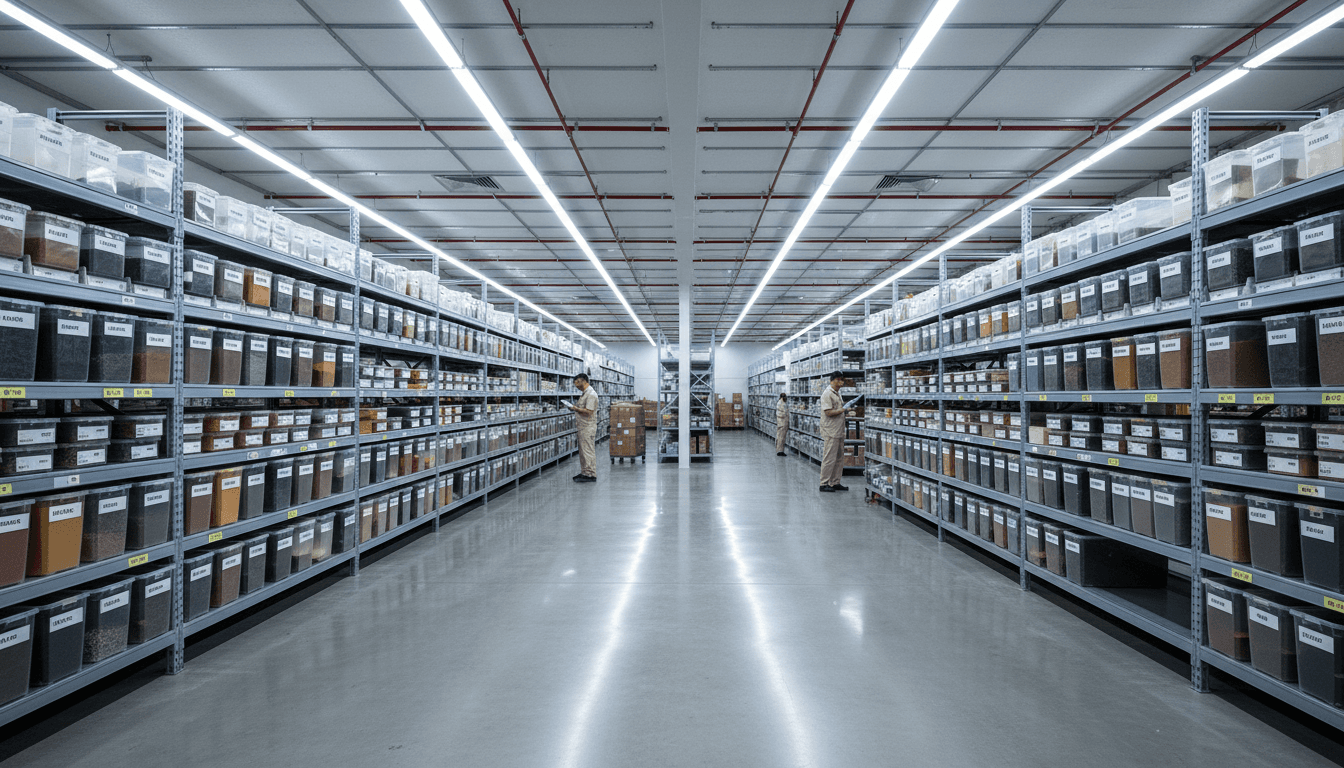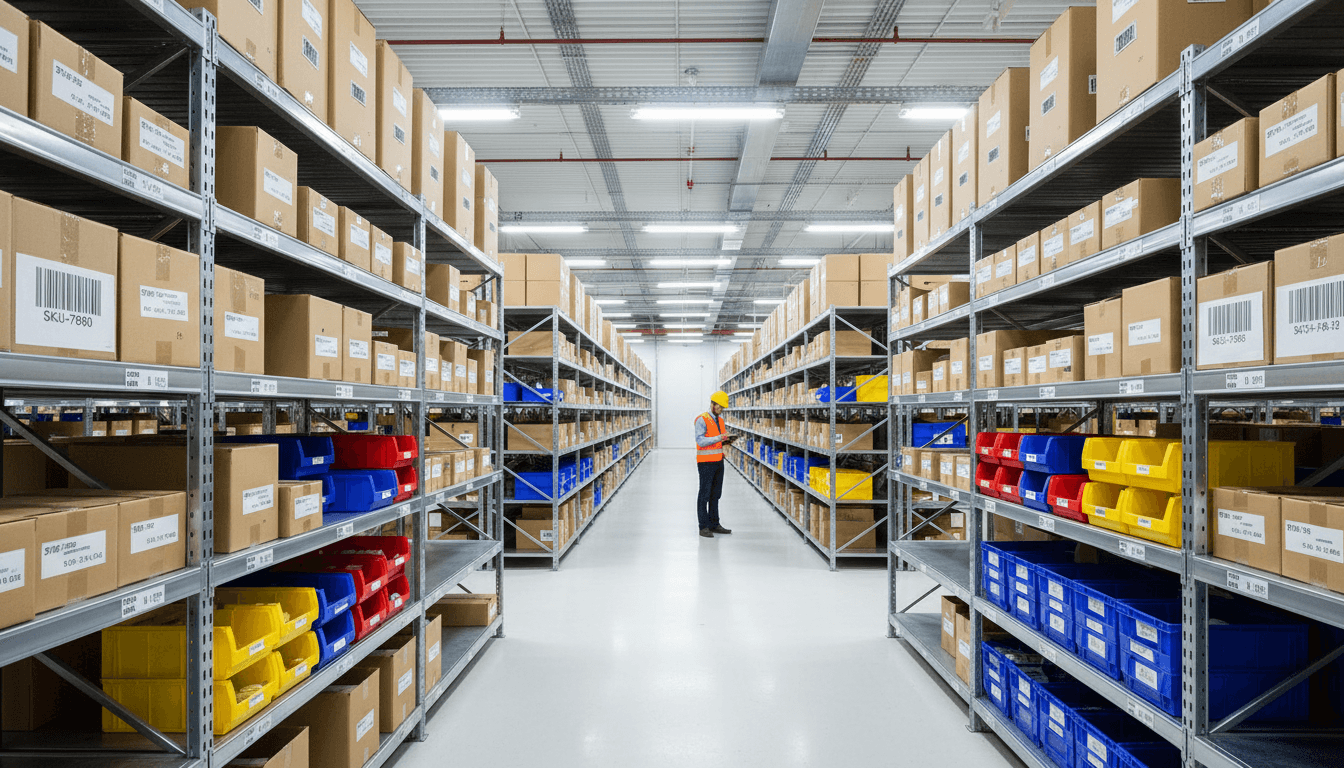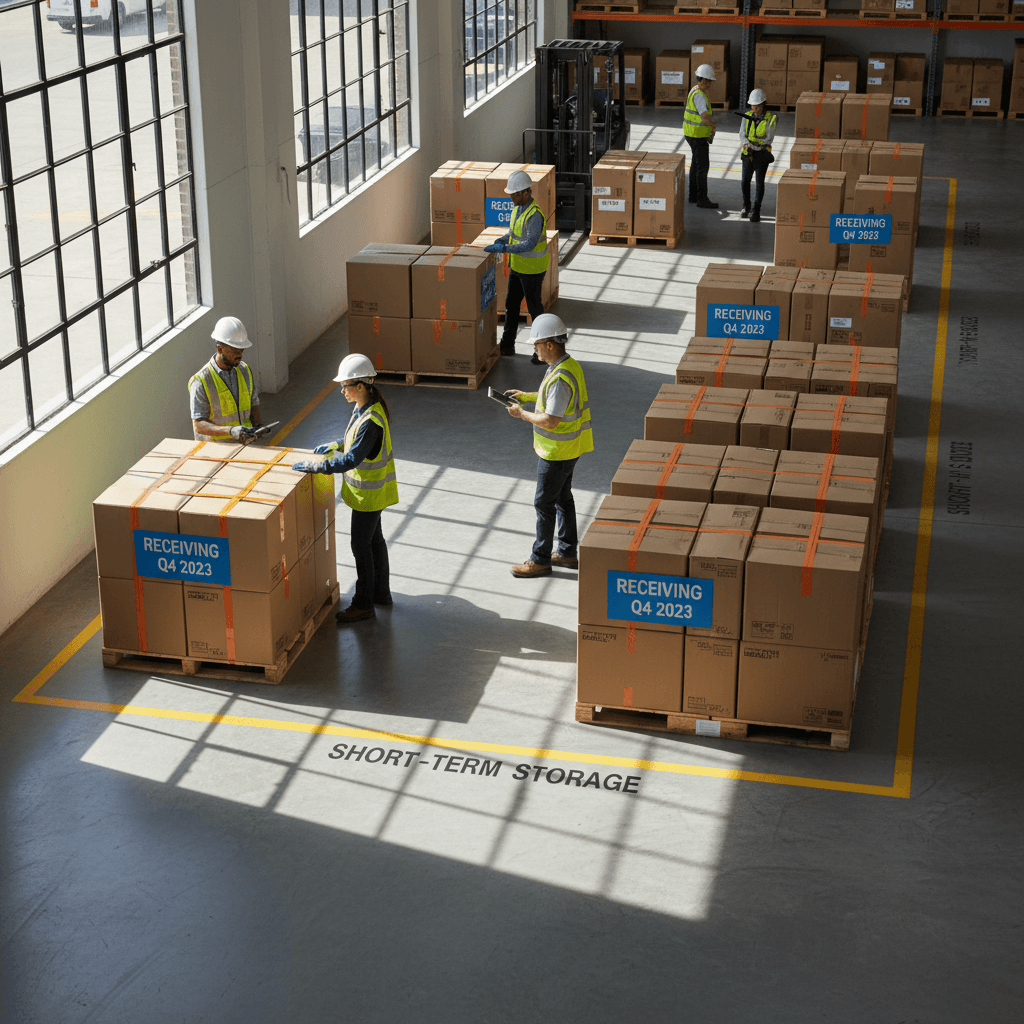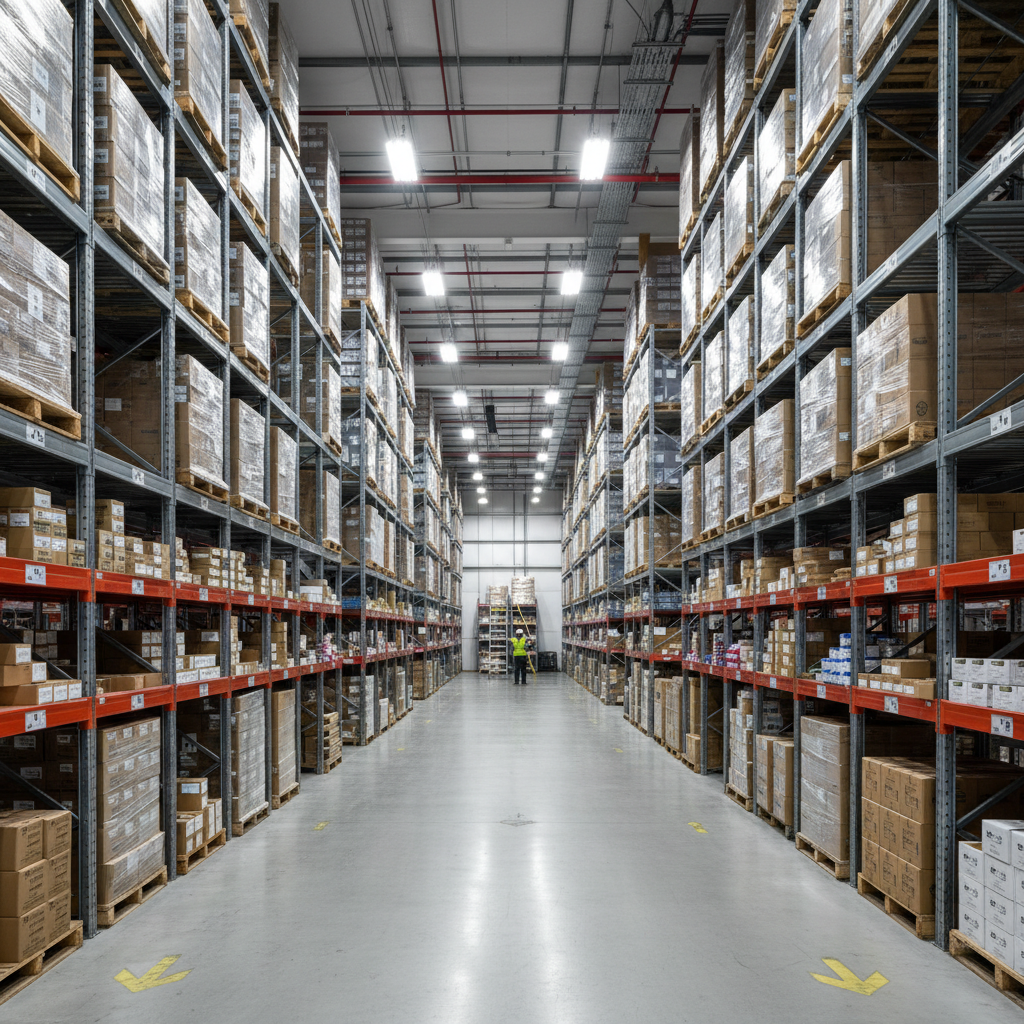
Effective warehouse climate control protects small business inventory from the destructive effects of extreme temperatures and fluctuating humidity. By maintaining a stable environment, businesses can prevent mold growth, metal corrosion, and the degradation of sensitive materials like adhesives or paper products.
For a small business owner in Sanpete County, the changing seasons are more than just a weather report; they represent a direct threat to your bottom line. Leaving sensitive inventory in a standard garage or uninsulated shed often leads to warped materials, degraded electronics, or compromised packaging within a single high-desert afternoon. Managing these environmental variables is not just about physical comfort; it is about preserving the significant capital you have invested in your stock. This article explores the specific climate challenges unique to Central Utah and explains why standard storage often falls short. You will learn how to mitigate the triple threat of heat, cold, and humidity while addressing the hidden impact of dust in Ephraim. From identifying sensitive inventory types to comparing professional warehousing with DIY options, we provide the practical insights necessary to safeguard your business assets through every season.
Why Sanpete County Climate Demands Professional Inventory Protection
The high desert environment in Ephraim and the surrounding Sanpete Valley presents a unique set of stressors for stored goods. Throughout the year, the valley experiences dramatic temperature swings; summer afternoons often exceed 90°F, while winter nights frequently plummet below zero. For local manufacturers and retailers, these extremes represent a direct threat to product integrity. Ambient storage solutions, such as uninsulated sheds or standard garages, fail to provide the stability required for sensitive inventory.
When inventory is subjected to these fluctuations, materials degrade. Intense heat can weaken adhesives and warp plastic components, while sub zero temperatures make materials brittle and prone to cracking. Utilizing professional warehouse climate control is a necessary risk management strategy rather than an optional luxury. It provides a consistent environment that prevents the damaging cycle of expansion and contraction that occurs in unmonitored spaces.
Sanpete Warehouse offers flexible layouts that scale with your business needs, ensuring that products are housed in a controlled setting that mitigates environmental hazards. By choosing dependable warehousing and storage solutions, businesses can maintain full control over their supply chain and avoid the hidden costs of climate related stock loss. To discuss specific storage requirements for your inventory, contact Sanpete Warehouse.
The Triple Threat: Heat, Cold, and Humidity Fluctuations

The stability of your inventory depends on avoiding the triple threat of heat, cold, and the moisture generated by rapid transitions. In the high desert of Central Utah, these shifts are not gradual. Extreme heat exceeding 90°F causes irreversible damage to many industrial and retail goods. Adhesives used in packaging or assembly can lose their bond, plastics may warp or lose structural integrity, and organic products like cosmetics can undergo chemical separation or spoilage as their active ingredients break down.
Sub zero temperatures introduce a different set of mechanical failures. At 0°F or below, standard plastics become dangerously brittle. A pallet moved or handled in these conditions is far more susceptible to impact damage and cracking. Furthermore, any inventory containing liquids faces the risk of expansion. As liquids freeze, they can breach seals or crack containers, which leads to expensive leaks and cross contamination once the product eventually warms.
However, the most significant risk often occurs during the thaw phase. When cold inventory is exposed to warmer, unmanaged air, moisture condenses on the surface of the product. This sweating creates an ideal environment for mold and mildew growth, which can ruin textiles, paper goods, and wooden components before the items even leave the box. This moisture also causes cardboard packaging to soften and lose its stacking strength, potentially leading to pallet collapses.
At Sanpete Warehouse, we address these risks through structured workflows and professional warehouse climate control that minimize environmental exposure. Inventory is processed efficiently to ensure it is never left in high-risk areas, such as near open dock doors or in uninsulated loading zones, for longer than necessary. Our dependable warehousing and storage solutions are designed to provide the thermal stability required for sensitive inventory. If your current storage setup leaves your stock vulnerable to the Sanpete Valley's temperature swings, contact Sanpete Warehouse to learn about our protective measures.
Managing Warehouse Humidity and Moisture Infiltration
Managing humidity effectively begins with distinguishing between relative humidity, the percentage of water vapor the air holds relative to its capacity at a specific temperature, and actual moisture infiltration. In the Sanpete Valley, managing these levels is critical to prevent the gradual degradation of stock. Effective humidity control is not about keeping the air perfectly dry; rather, it is about maintaining a stable range that prevents condensation and moisture absorption.
One of the most practical steps in moisture management involves the physical placement of inventory. Storing cardboard boxes or textiles directly on concrete floors is a significant risk, as concrete naturally wicks moisture from the ground via capillary action. This moisture eventually transfers into the packaging, causing it to soften and fail. At Sanpete Warehouse, we utilize pallets and shelving to elevate inventory, ensuring it remains dry and allowing for the airflow necessary to prevent stagnant, damp pockets. This strategy is central to providing dependable warehousing and storage solutions for our clients.
Controlling the environment also requires sealing gaps in the building envelope to block external moisture from entering during storm cycles. We utilize industrial-grade warehouse humidity sensors and monitoring devices to track environmental shifts in real-time. This level of professional oversight is a key component of effective warehouse climate control. In contrast to a basic self-storage unit where conditions are left to chance, a managed facility utilizes data to maintain consistency. If you need flexible layouts that scale with your inventory volume while ensuring moisture protection, contact Sanpete Warehouse to discuss your specific storage requirements.
The Hidden Enemy: Controlling Dust and Particulates in Ephraim

Beyond temperature and moisture, the Sanpete Valley's geography introduces a less obvious threat: heavy particulate infiltration. The combination of high desert winds, agricultural cycles, and local construction creates a constant supply of fine dust that can bypass basic building seals. For business inventory, this is a functional risk rather than an aesthetic one. Fine silt can infiltrate electronic housings, clogging cooling fans and causing premature component failure due to overheating. For those storing textiles or finished apparel, dust particles act as micro abrasives that can degrade fabric finishes or cause permanent staining during the picking and packing process.
In sensitive manufacturing sectors, particulate contamination can render high precision components or specialized chemicals unusable. Effective warehouse climate control must account for air quality and cleanliness alongside thermal stability. At Sanpete Warehouse, we address this through structured inventory handling and the maintenance of organized, professional spaces. By keeping products in a facility that prioritizes clean workflows, we ensure that items remain in their original condition. Unlike unmanaged sheds or less maintained garages where dust settles undisturbed on stock for months, our dependable warehousing and storage solutions provide a robust barrier against the environmental grit of Central Utah. We offer flexible layouts that scale to meet your specific cleanliness standards. To protect your sensitive stock from particulate damage, contact Sanpete Warehouse.
Inventory Types That Require Strict Temperature Monitoring
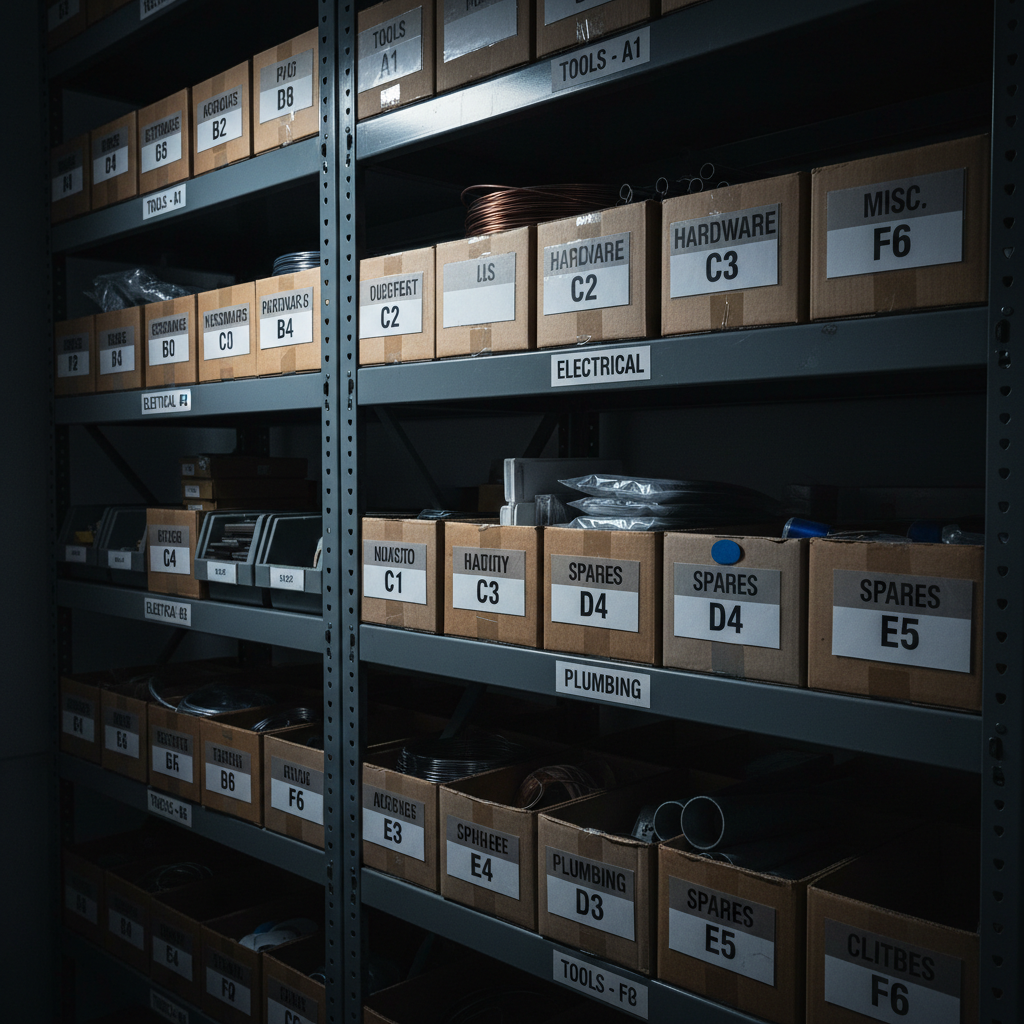
While particulate control keeps surfaces clean, internal thermal stability is what preserves the core functionality of high-value stock. Many local businesses mistakenly assume room temperature is a static condition, yet in an unmonitored facility, this can fluctuate enough to trigger chemical or physical changes in products. Relying on a warehouse temperature monitoring template or an automated sensor system is essential for maintaining dependable warehousing and storage solutions.
The following categories represent the highest risk for inventory loss in the Sanpete Valley:
Category | Primary Risk | Impact on Value |
|---|---|---|
Electronics | Internal Condensation | Board corrosion and short circuits |
Textiles & Leather | Mold and Dry Rot | Irreversible fiber damage and odors |
Adhesives/Chemicals | Thermal Separation | Loss of bonding strength or efficacy |
Paper & Cardboard | Cockling/Softening | Distorted documents and weak packaging |
Electronics and precision components face the specific threat of micro-condensation caused by rapid cooling and heating cycles. This moisture leads to microscopic corrosion on circuit boards, often resulting in failures that are not immediately visible. Leather and textiles are similarly vulnerable; excess moisture invites mold, while the intense dry heat of a Utah summer can cause dry rot, making leather brittle and prone to cracking.
Furthermore, many industrial bonding agents and chemicals are temperature sensitive. Exposure to extreme cold can cause permanent separation of active ingredients, rendering the product ineffective for manufacturing processes. Even basic paper-based inventory suffers; high humidity causes paper to cockle or wave, and cardboard storage boxes lose their stacking strength when they soften, risking the safety of the entire pallet. Sanpete Warehouse provides flexible layouts that scale with your specific inventory type, ensuring that these sensitive items remain within a safe, recorded thermal range. To transition your high-risk stock into a more stable environment with professional warehouse climate control, contact Sanpete Warehouse for expert assistance.
Comparing DIY Storage vs. Professional Climate Controlled Warehousing
Local businesses in Ephraim often weigh the perceived savings of a basic storage shed or spare garage against the cost of a managed facility. While DIY storage appears cheaper on paper, it rarely provides the thermal stability needed to protect high-value inventory. A standard garage or uninsulated shed lacks the building envelope necessary to resist the Sanpete Valley's temperature swings. In these unmanaged spaces, heat builds up near the ceiling and moisture settles in corners, creating micro-climates that are far different from the ambient air outside.
Professional warehouse climate control is a comprehensive system, not just a heater or a window AC unit. It relies on industrial-grade insulation, consistent forced airflow to prevent stagnation, and continuous environmental monitoring. This ensures that every pallet, regardless of its position in the rack, remains within safe parameters.
Sanpete Warehouse offers dependable warehousing and storage solutions that bridge the gap between small-scale needs and professional protection. Unlike a fixed-size storage unit where you pay for empty air, our flexible layouts that scale allow you to expand your footprint only as your inventory grows. This model provides superior protection for sensitive stock while maintaining a lean operational budget. To stop gambling with DIY storage and start protecting your bottom line, contact Sanpete Warehouse today.
Practical Tips for Small Businesses Moving to Climate Controlled Space
Transitioning to professional space requires a strategic shift in how you pack and organize. Use breathable packing materials, such as cotton covers or perforated wrap for textiles, to prevent moisture from becoming trapped against the fabric. Implement clear, standardized labeling to ensure quick retrieval. Rapid picking minimizes the time inventory is moved or exposed, which is essential for maintaining the stable micro-climate surrounding each pallet.
Utilize a warehouse inventory tracking system to monitor stock levels and movement patterns in real time. By combining dependable warehousing and storage solutions with flexible layouts that scale, you ensure your operational habits support the facility's environmental stability. For assistance with a smooth transition, contact Sanpete Warehouse.
Maintaining a stable climate for your inventory is essential for any small business in Central Utah. Protecting your goods from the region's intense temperature swings ensures quality and customer satisfaction. If you want expert help with your storage strategy, choosing a professional warehouse can provide peace of mind. Our facility is designed to handle these environmental challenges so you can focus on growth. You can find more details About our mission and services online to see if we are the right fit for your needs.