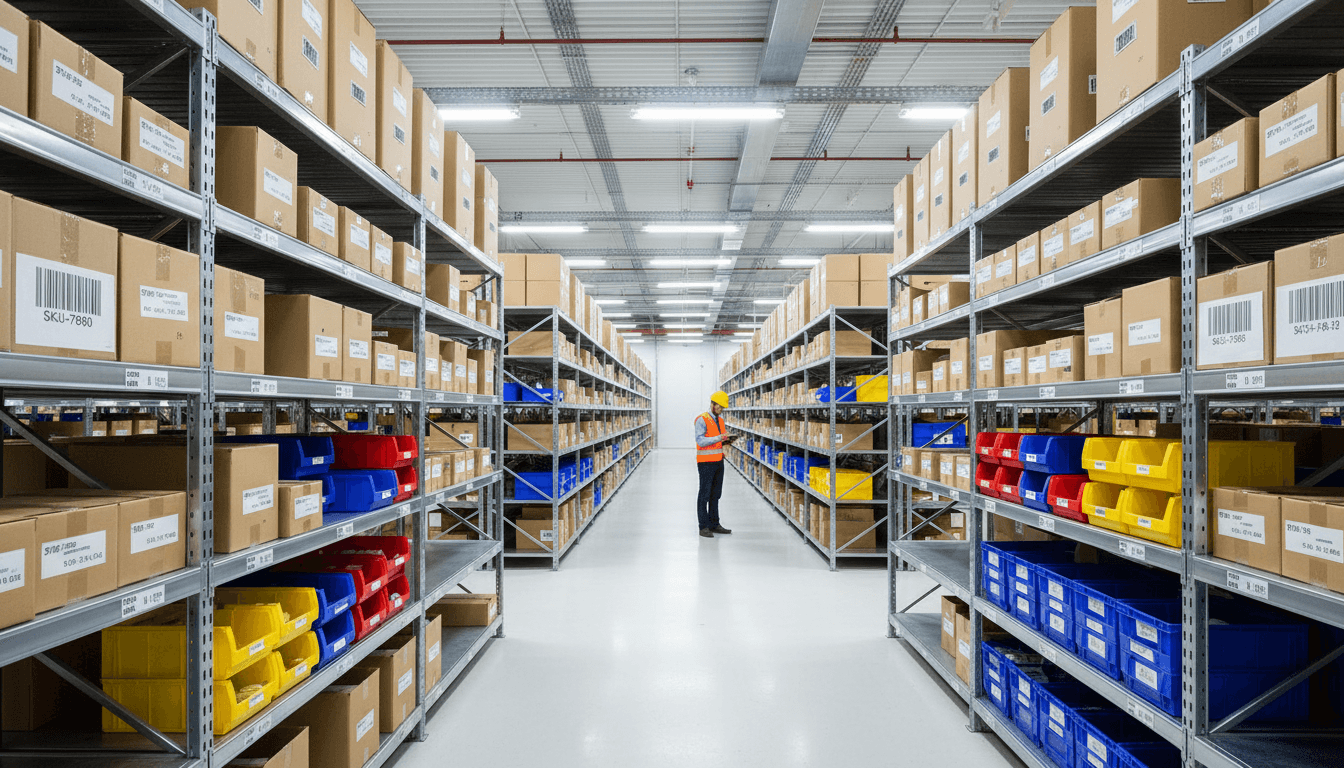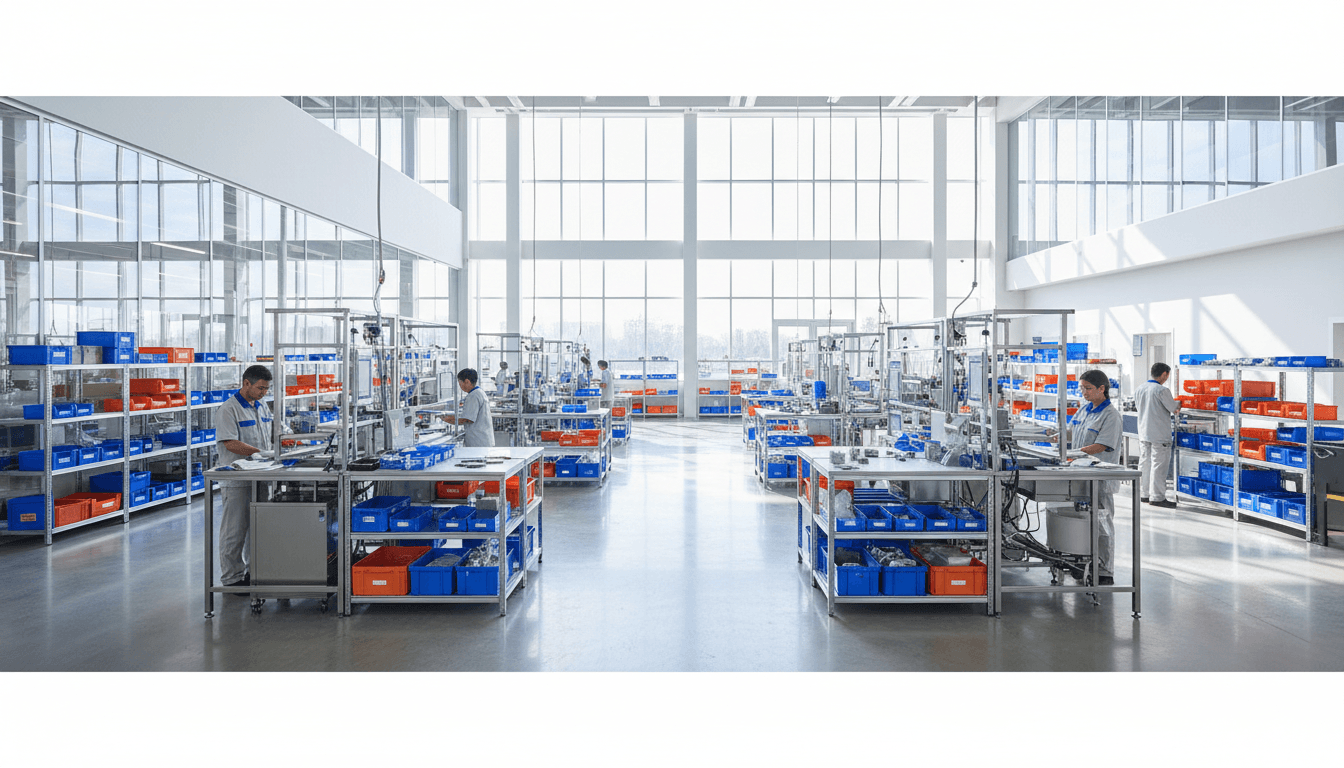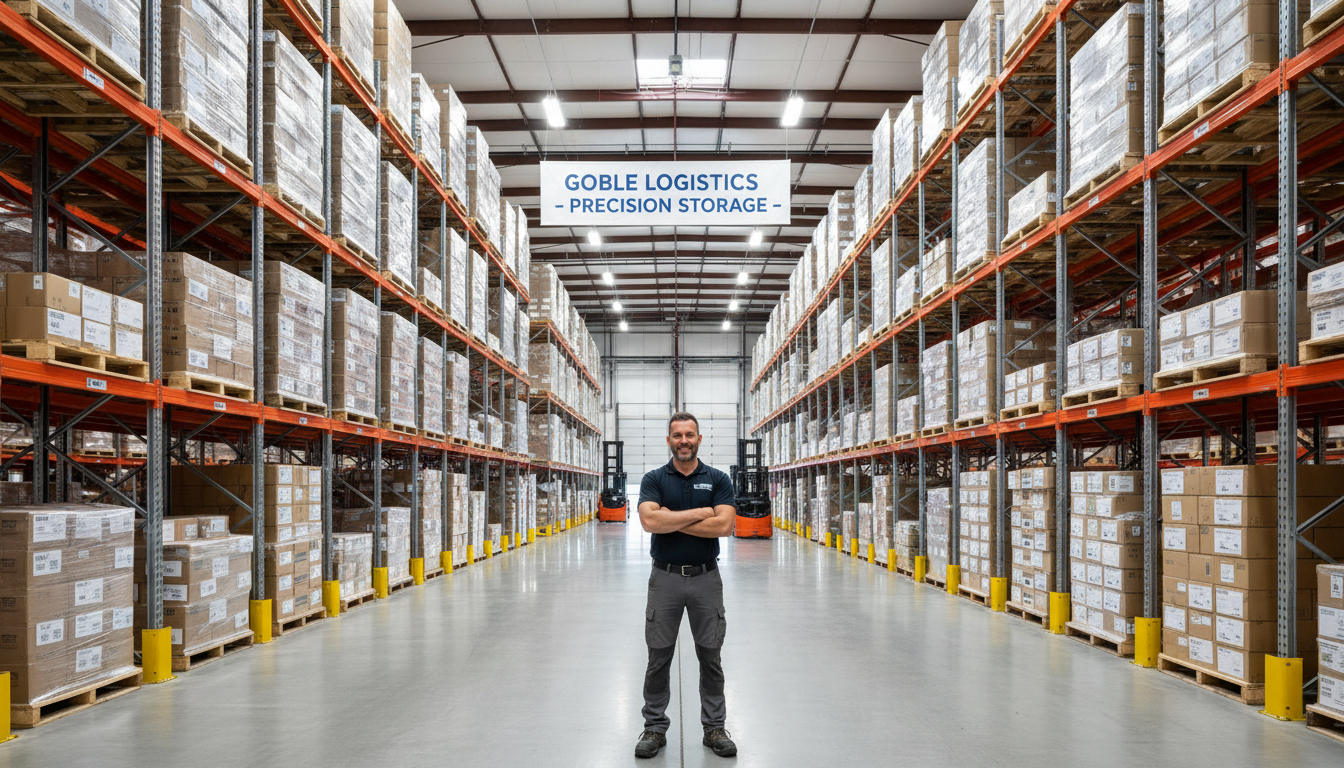
Small businesses should transition to professional warehousing when inventory management becomes disorganized, fulfillment speeds decline, or current spaces can no longer accommodate rapid stock movement. Utilizing warehouse storage for small business offers enhanced logistical capabilities and specialized infrastructure that self-storage units cannot provide, supporting efficient scaling as operations grow.
If you are currently maneuvering around stacks of inventory in your garage or shuffling boxes in a cramped self-storage unit, you have reached a critical tipping point in your business growth. What served as a convenient starting point often becomes a logistical bottleneck that hampers your ability to fulfill orders and scale effectively. Transitioning to professional warehouse storage represents a significant milestone; however, many owners hesitate because they lack clarity on the operational differences. In this guide, we will analyze the functional gap between self-storage and professional warehousing. You will learn the specific indicators that suggest your current space is costing you money, the hidden risks of delaying an upgrade, and how to select a facility that integrates seamlessly into your Utah supply chain.
The Small Business Growth Dilemma: From Garage to Professional Storage

For many local businesses in Ephraim, the journey begins in a residential garage or a standard 10x20 self-storage unit. These spaces serve as critical incubators for makers, manufacturers, and service providers across Sanpete County, offering low overhead and immediate proximity. However, as order volumes increase and inventory cycles accelerate, what was once a convenient solution often transforms into a logistical bottleneck.
The transition to warehouse storage for small business is rarely motivated by square footage alone. Instead, it is driven by the need for operational fluidity. In a garage or a basic unit, inventory often ends up stacked three layers deep; you spend hours shuffling boxes to reach a single item needed for a shipment. This manual labor eats into production time and limits your ability to scale. Seeking dependable warehousing and storage solutions represents a shift from passive storage to an active, integrated system. It provides the infrastructure necessary to handle palletized shipments, maintain clear sightlines of stock, and implement structured workflows. Moving into a dedicated facility allows you to reclaim your time and focus on the high-value activities that actually grow your revenue.
Self Storage vs. Warehouse Storage: What is the Real Difference?
To address the frequent question: is there a difference between warehouse and storage? The answer lies in the distinction between a passive container and an active logistical environment. Self-storage is fundamentally a static solution where you rent a secure box and perform all the labor yourself. It serves well for archiving documents or storing equipment that is rarely used; however, it lacks the infrastructure required for high-velocity inventory management.
Warehouse storage for small business, by contrast, is an integrated operational asset. While a storage unit is often a dark space with a standard roll-up door, a warehouse provides essential industrial features like loading docks and high-clearance ceilings. These architectural differences allow for palletized deliveries and vertical racking, which are impossible in a traditional 10x20 unit. In a warehouse, the environment supports movement. Instead of hand-carrying individual boxes through a narrow corridor, you can utilize pallet jacks or forklifts to move bulk stock quickly.
Feature | Self-Storage Unit | Warehouse Facility |
|---|---|---|
Primary Function | Passive storage of items | Active inventory management |
Access Infrastructure | Standard drive-up or hallway | Loading docks and bay doors |
Vertical Utility | Limited (8-10 ft ceilings) | High-clearance for racking |
Workflow Support | Storage only | Picking, packing, and staging zones |
The difference also extends to organized inventory handling. A warehouse setup facilitates professional workflows, such as designated zones for receiving and shipping. This structure helps local businesses in Ephraim maintain clear sightlines of their stock levels at all times. By choosing dependable warehousing and storage solutions, you move from a passive model to a dynamic system where inventory is managed rather than just held. This shift reduces the friction of daily operations and allows for a more sophisticated approach to supply chain management.
Five Signs Your Sanpete Business Has Outgrown Its Storage Unit
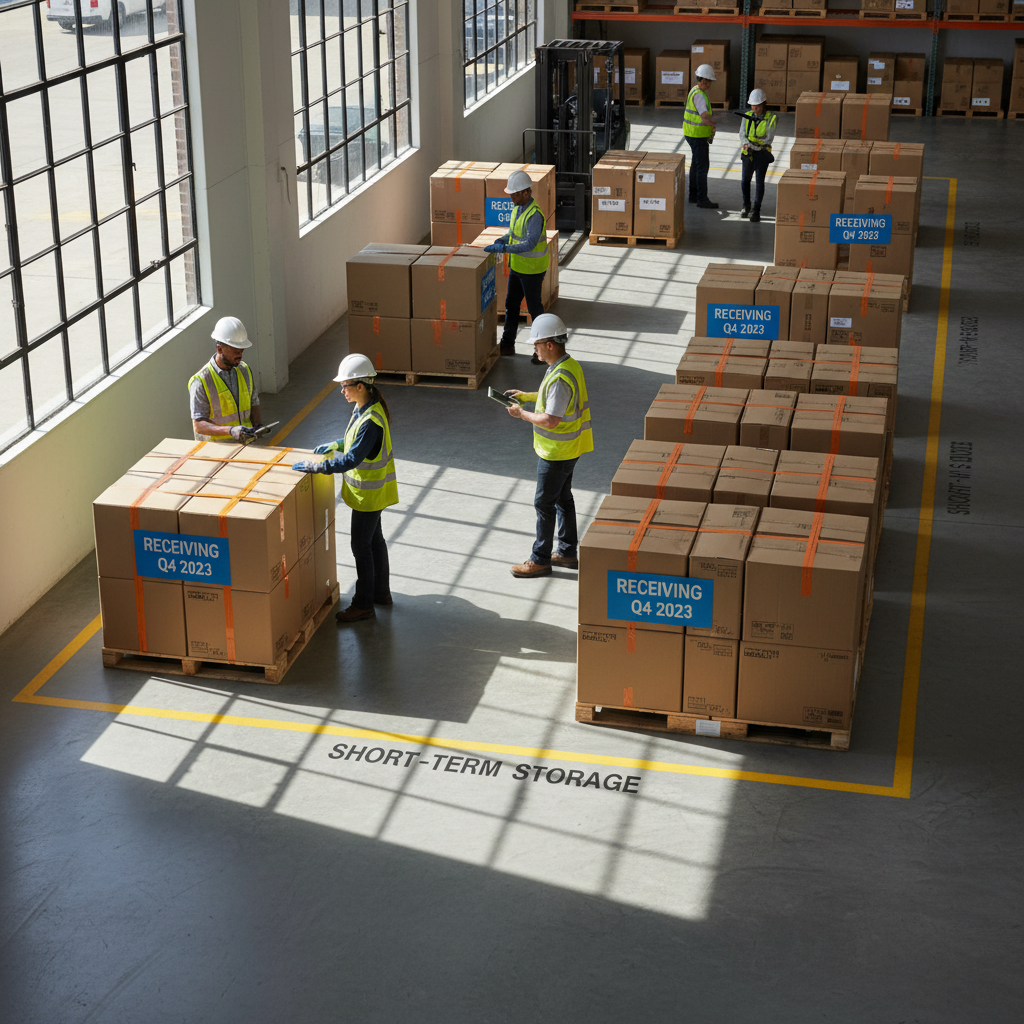
Identifying the exact moment to transition from a simple unit to a professional facility requires looking past the monthly rent check and evaluating your daily operations. For many local businesses in Ephraim, the signs are often hidden in lost hours and missed opportunities rather than a single catastrophic event. If your current setup is no longer invisible infrastructure but a daily hurdle, you have likely reached one of these five critical tipping points.
1. The Labor Trap If your weekly routine involves five or more hours spent driving between your office and a remote unit, you are caught in a labor trap. This inefficiency is compounded if you are hand loading individual boxes because your current space lacks pallet access. Moving to dependable warehousing and storage solutions allows for palletized deliveries, which can be moved in minutes rather than hours. When your team spends more time shuffling boxes than serving customers, the low rent of a storage unit is no longer a saving; it is a cost.
2. Inventory Blindness Stocking products three or four layers deep creates inventory blindness. You are likely losing sales because you cannot accurately track stock levels in a cramped, unlit unit. If you find yourself ordering more materials because you cannot find the ones you already have, or if you are apologizing to customers for out of stock items that were simply buried, your storage is actively sabotaging your revenue.
3. The Growth Ceiling A common threshold for local businesses in Ephraim occurs when a vendor offers a volume discount on a full pallet, but you are forced to decline because you have nowhere to put it. This growth ceiling prevents you from lowering your cost of goods sold. Professional warehouse storage for small business provides the high clearance ceilings and flexible floor plans necessary to accept bulk shipments, allowing you to scale your margins alongside your volume.
4. Operational Friction Performing warehouse activities like picking, packing, and labeling in a dark unit without electricity or climate control creates significant operational friction. Attempting to manage fulfillment in a space designed only for static holding leads to errors and employee burnout. A dedicated warehouse environment provides the structured workflows and proper lighting needed to execute these tasks professionally.
5. Fulfillment Delays Logistical health can be measured by a simple ratio: how long it takes to find an item versus how long it takes to ship it. If the search takes twice as long as the packaging, your system is broken. In a structured warehouse, organized inventory handling ensures that every item has a specific home, eliminating the hunt and accelerating your shipping times.
The Hidden Costs of Staying Small Too Long
Staying in a storage unit too long feels like a bargain on paper, but the monthly rental fee is only a fraction of the total expenditure. For local businesses in Ephraim, the most significant drain is "dead time." This represents the unbillable hours spent shifting boxes to find a specific SKU or manually unloading a truck because the facility lacks a dock. If a business owner or an employee spends just five hours a week navigating a cramped unit, the hidden labor costs can quickly exceed several hundred dollars a month.
Transitioning to warehouse storage for small business addresses these inefficiencies by prioritizing accessibility over mere capacity. In a structured warehouse, inventory is organized for speed. Wide aisles and high ceilings allow for pallet racking, ensuring every product is accessible without moving three others first. Sanpete Warehouse helps local manufacturers reduce these operational delays by providing the industrial infrastructure necessary for rapid inventory movement.
When you factor in the ability to accept bulk shipments and the reduction in pick errors, the square footage rate of a professional facility often results in a lower total cost per order than a storage unit. By eliminating the friction of disorganized spaces, you stop paying for a static box and start investing in operational flow. Professional dependable warehousing and storage solutions turn your inventory from a liability into a liquid asset.
Choosing the Right Warehouse Space for Your Business Growth
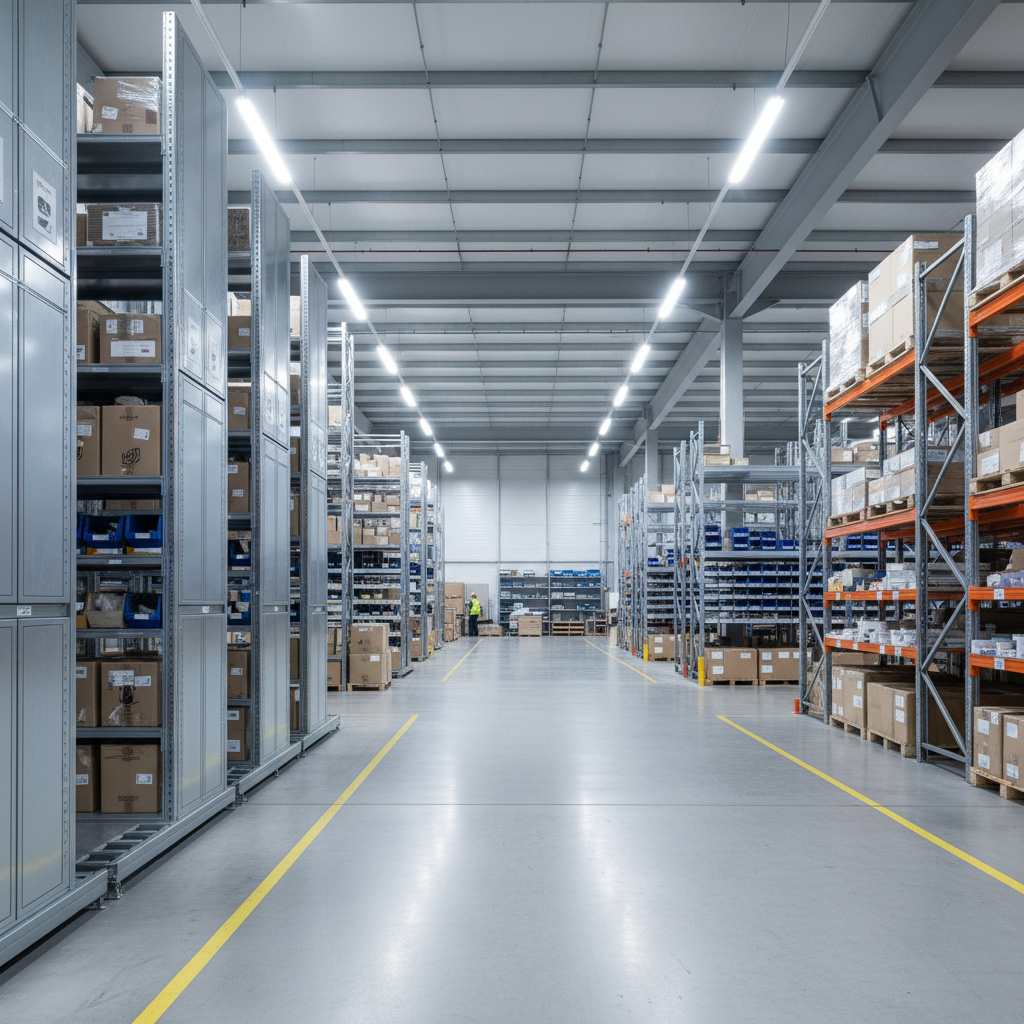
Identifying a good facility requires looking beyond the price per square foot to evaluate how the space supports operational flow. For local businesses in Ephraim, a professional environment should be judged on three core pillars: security, accessibility, and scalability. A truly professional facility provides robust security measures that protect capital investment while offering easy, reliable access to inventory. Accessibility in this context refers to industrial infrastructure like loading docks and high-clearance ceilings, which allow for palletized movement that simple storage units cannot accommodate.
Scalability is equally vital for growing enterprises. Rigid, fixed-size units often become a liability during seasonal shifts or sudden growth spurts. Opting for facilities that offer flexible layouts allows you to adapt your square footage to current stock levels, ensuring you do not pay for empty space while maintaining the ability to expand when a large order arrives.
Environmental quality also plays a significant role in inventory longevity. For Sanpete businesses handling sensitive electronics, specialized equipment, or textiles, clean and climate-controlled environments are essential. Dust and extreme temperature fluctuations can degrade materials over time, leading to loss of stock value. By choosing dependable warehousing and storage solutions that prioritize cleanliness and climate stability, you ensure your products remain in peak condition from arrival to final delivery.
Integrating Warehousing into Your Existing Supply Chain

Transitioning to a professional facility marks a shift from simple storage to a sophisticated supply chain component. For local businesses in Ephraim, this move functions as a critical workflow upgrade, not just a physical relocation of inventory. In a self-storage model, the hand-off between production and shipping is often disjointed; it requires staff to manually ferry goods back and forth, creating gaps in oversight. A warehouse environment eliminates this friction by providing dedicated zones for staging finished goods and receiving raw materials.
Structured inventory access ensures that every product is positioned for immediate dispatch. By utilizing warehouse storage for small business, owners can implement logical layouts that mirror their production cycles. Sanpete Warehouse provides the structured workflows necessary to maintain precise product control, allowing entrepreneurs to avoid the heavy capital expenditure and long-term risk of a full industrial lease. This approach integrates dependable warehousing and storage solutions into your existing operations, providing the professional infrastructure needed to bridge the gap between small-scale manufacturing and high-volume fulfillment.
Common Questions About Small Business Warehousing in Utah
Transitioning to a professional facility brings technical questions regarding logistics costs and organization. When asking how much warehouses charge for storage, note that facilities typically offer two structures. Pallet-based pricing is efficient for high-density, uniform goods, while square footage rates provide flexibility for irregular equipment or staging areas.
For entrepreneurs seeking warehouse storage for small business involving small items, the most effective layout utilizes bin locations and shelving units rather than floor stacks. This prevents small components from getting lost in industrial volumes. By utilizing dependable warehousing and storage solutions, you can scale your inventory management without losing granular control. To explore how these models fit your specific budget, contact Sanpete Warehouse for a consultation designed for local businesses in Ephraim.
Deciding whether to stick with a self storage unit or upgrade to a full warehouse facility is a significant milestone for any growing business. While units offer basic space, a warehouse provides the structural support needed for high volume operations. If you find that managing inventory is becoming a distraction from your core goals, it might be time to consider professional assistance. To learn more about how we support local businesses, you can visit our About page. We are here to help whenever you are ready to scale.