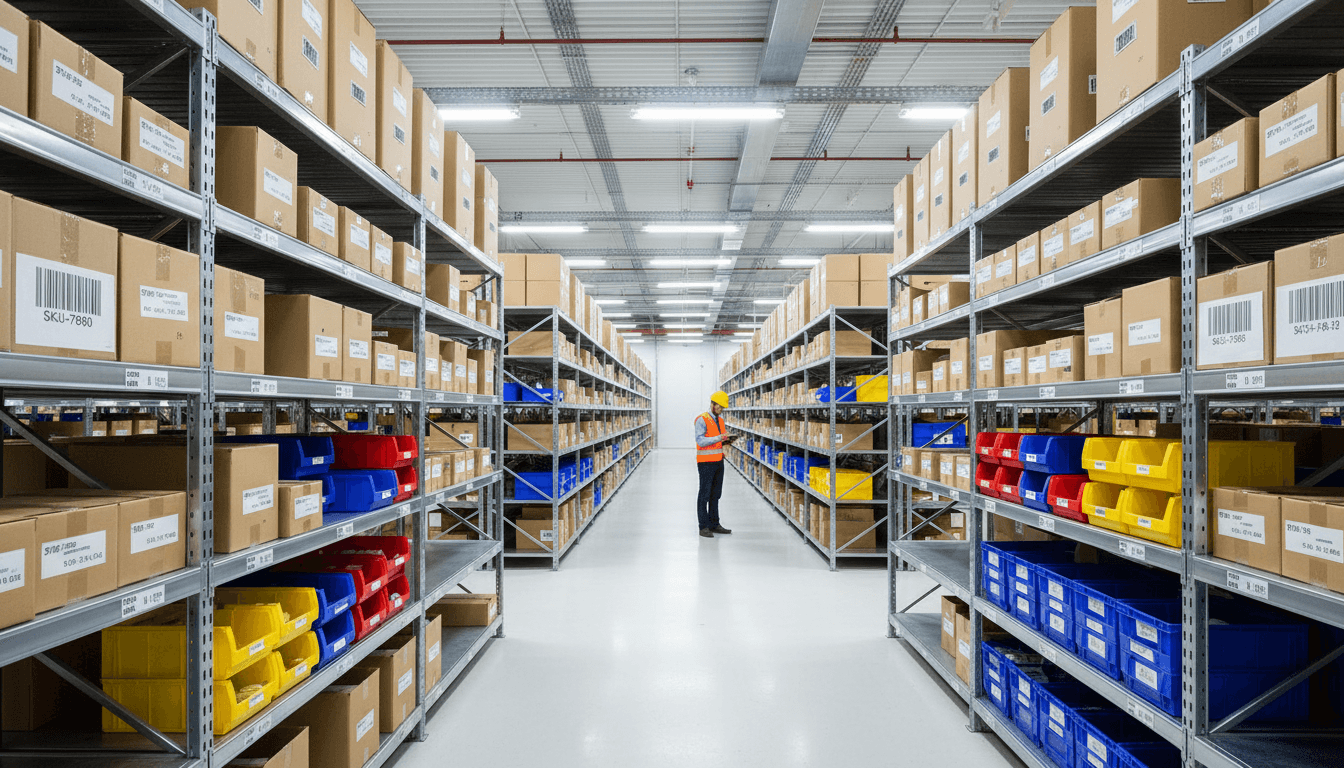
You can prevent inventory damage by implementing organized storage systems, utilizing protective packaging like stretch wrap, and securing pallets for stable transport. Regular safety audits and clear floor markings help minimize handling errors; while investing in rack protectors and climate control guards against physical and environmental hazards.
Every broken palette or crushed box represents more than just a lost sale; it is a direct drain on your bottom line and a threat to your reputation. For small businesses in Utah, the financial impact of damaged inventory often extends far beyond the initial cost of the goods, encompassing wasted labor, shipping delays, and diminished customer trust. Protecting your physical assets requires a proactive strategy rather than a reactive response to accidents. In this guide, we will provide a comprehensive roadmap for securing your supply chain. You will discover how to refine your receiving processes, implement rigorous organizational standards like the 5S method, and manage environmental factors that compromise product quality. By mastering these handling and storage techniques, you can minimize operational risk and ensure your products reach customers in pristine condition.
The Real Cost of Damaged Goods for Utah Small Businesses
Inventory damage is often viewed as a simple line item loss, but for small businesses in Sanpete County, it acts as a silent killer of thin profit margins. When a local manufacturer in Ephraim discovers a crushed pallet or a service provider finds moisture damaged components, the wholesale price of the item is only the starting point of the financial drain. To effectively prevent inventory damage, one must first account for the hidden variables that enterprise corporations often absorb but small operations cannot.
Every damaged unit triggers a chain reaction of waste. You lose the original shipping fees, pay for return freight, and then cover the cost of a replacement shipment. Beyond the logistics, there is the massive time sink of administrative labor. Staff must spend hours documenting the loss, processing claims, and managing frustrated customers. In a tight knit community like Sanpete County, a single shipment of compromised goods can erode years of built up trust, leading to lost contracts that are far more expensive than the physical inventory itself. Relying on professional warehousing and storage solutions ensures these cascading costs do not derail your operational stability.
Smart Receiving: How to Prevent Inventory Damage Before It Reaches the Shelf
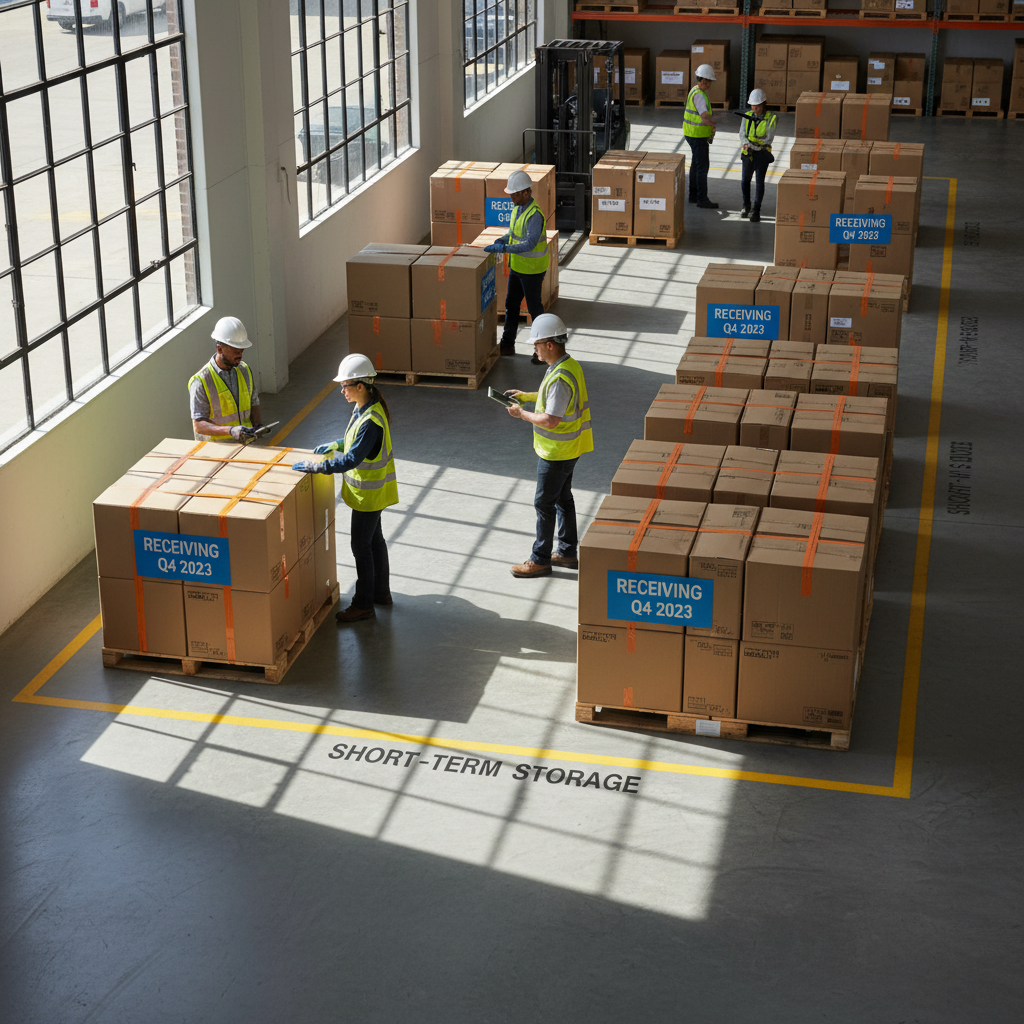
Receiving is the most critical window to prevent inventory damage because once a shipment is signed for and moved into your racks, proving liability becomes nearly impossible. Most damage occurs during transit or the offloading stage, yet it often goes unnoticed until the product is sold or needed for production. To protect your bottom line, you must treat the loading dock as a quality control station rather than just a pass through zone.
An effective inspection requires high intensity lighting. Shadows in a dimly lit trailer or a dark backroom can easily hide hairline fractures in plastic components or small tears in textile packaging. By bringing every pallet into a well lit area before signing the Bill of Lading, you ensure that subtle structural compromises are caught while the carrier is still on site.
Follow this checklist for a damage-proof warehouse receiving process:
Inspect for moisture: Examine the base of the pallet and the bottom layers of cardboard for dampness or staining, which suggests improper storage or leaks during transit.
Examine corners: Look for crushed or accordion style corners on boxes. This indicates the pallet was dropped or that a heavier load was stacked improperly on top.
Verify security seals: Ensure shrink wrap is tight and manufacturer seals are intact. Loose wrap often means the load shifted during transit, increasing the risk of internal friction damage.
Test for internal movement: If a box sounds like it contains loose debris or shifting parts, it should be opened immediately to check for breakage, even if the exterior packaging appears pristine.
Catching these issues at the door prevents the silent profit drain of stocking unsellable goods.
Organizing for Safety: Implementing the 5S Rule and Proper Stacking

Once products are cleared at the loading dock, the way they are positioned in the facility determines if they stay in pristine condition or slowly accumulate wear. A cluttered floor is a hazard, but a cluttered shelf is a liability. Implementing the 5S rule provides a straightforward framework for a small business to maintain order without needing a corporate consultant.
Sort: Remove broken pallets, scrap packaging, and obsolete stock that take up valuable space.
Set in order: Assign a permanent home for every item so workers never leave products in high traffic walkways.
Shine: Clean the storage area daily. Dust and grit can act as abrasives on finished goods or obscure small cracks in packaging.
Standardize: Use consistent labeling and bin sizes so the layout is predictable.
Sustain: Conduct a five minute walk through at the end of each shift to ensure the system hasn't drifted.
Stacking is where physics meets profit protection. To effectively prevent inventory damage, always place the heaviest, most dense items on the lowest levels or directly on the floor. This lowers the center of gravity for your racking and prevents the structural fatigue that causes top heavy shelves to bow. Lighter or fragile items should be stored at eye level. This placement ensures that employees can get a firm, two handed grip on the item without overextending or using a ladder for delicate maneuvers.
Physical barriers also play a vital role. Racking protectors, which are steel guards bolted to the floor at the base of your shelving uprights, are essential. They absorb the impact of a stray pallet jack or forklift, saving the rack from buckling. Finally, avoid the temptation to narrow your aisles to gain extra square footage. Tight clearances lead to forklift rash, where equipment repeatedly scrapes against the sides of boxes. Maintaining generous spacing for hand trucks and machinery is one of the most effective warehousing and storage solutions for reducing accidental bumps and crushed corners.
Handling and Equipment: Moving Products Without the Risk
While organization sets the stage, the physical act of moving items is where most breakages occur. For many operations in Sanpete County, manual handling is the norm rather than automated conveyor systems. This reliance on human effort makes consistent training the most effective way to prevent inventory damage. Every team member should be proficient in power lifting techniques: keeping the load close to the center of gravity, maintaining a wide stance, and driving upward with the legs rather than pulling with the lower back.
Stabilization is equally important when moving items across the warehouse floor. Even a short trip from the receiving dock to a storage shelf can lead to a spill if a pallet is top heavy. Using high quality stretch wrap to secure loads is a small investment that prevents thousands of dollars in losses. The wrap should be applied with enough tension to bind the product to the pallet itself, preventing shifting during sharp turns or sudden stops with a pallet jack.
For oversized or awkward items, implement a mandatory buddy system. Attempting to solo carry a bulky component or a long crate often leads to a drop and scuff scenario that ruins the exterior finish or compromises internal mechanics. By pairing up, workers maintain better visibility and control, ensuring that your warehousing and storage solutions remain a benefit to your bottom line rather than a source of insurance claims.
Environmental Controls: Protecting Inventory from Dust and Temperature
In Ephraim, the high desert climate presents unique challenges that generic warehouse advice often overlooks. Seasonal temperature swings, which can drop below zero in winter and climb toward the triple digits in summer, act as a physical stressor on inventory. For local wood manufacturers, these fluctuations cause fibers to expand and contract, leading to warping or splitting. Electronics face internal condensation risks during rapid temperature shifts, while delicate textiles can become brittle or lose color vibrancy if exposed to extreme heat. To prevent inventory damage effectively, you must account for the specific atmospheric conditions of Sanpete County.
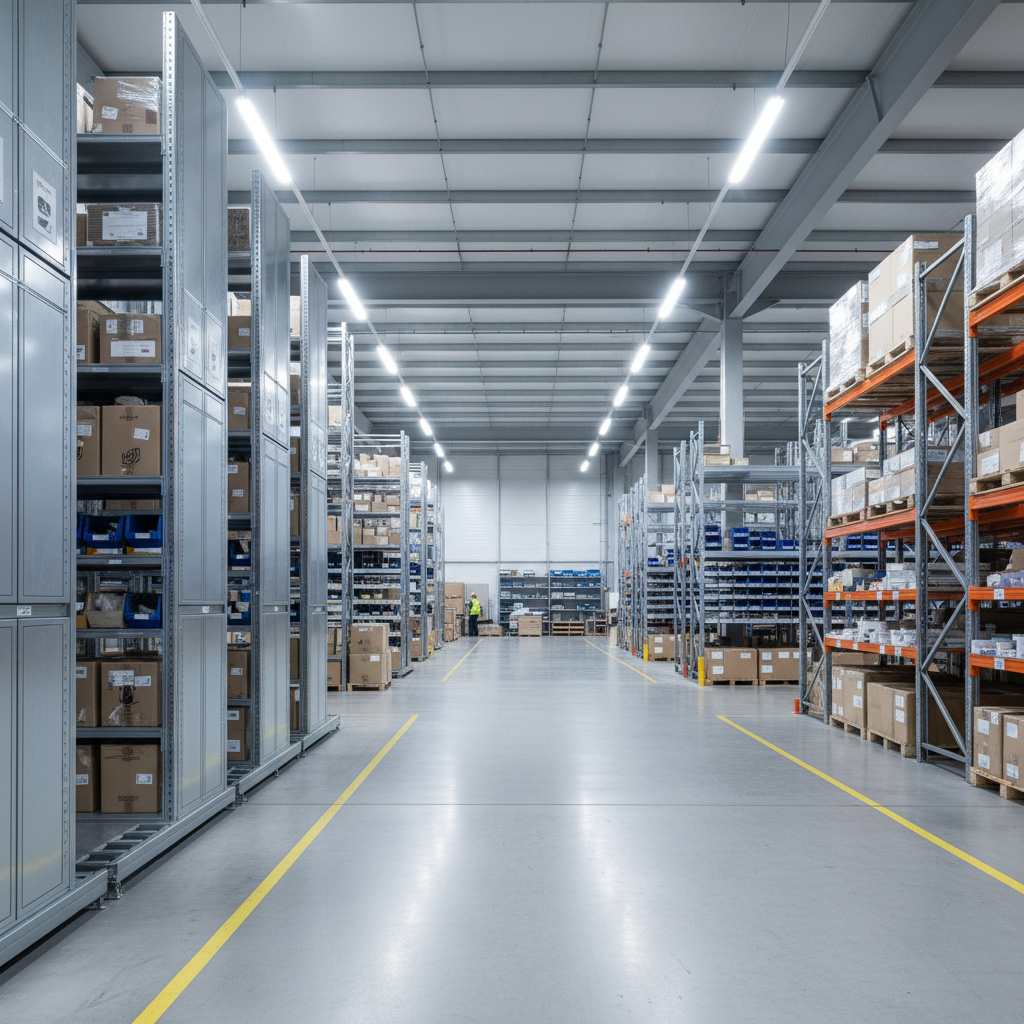
Dust is another persistent threat in our rural landscape. Fine particulates from agricultural activity and dry winds settle on surfaces, acting as a slow abrasive on finished goods or clogging sensitive components. A clean, climate managed facility like Sanpete Warehouse mitigates these risks by maintaining stable air quality and temperature ranges. Unlike a drafty garage or a basic pole barn, professional warehousing and storage solutions provide a barrier against the elements. By controlling the environment, you stop degradation before it starts, ensuring that items retrieved after six months are in the exact same condition as the day they were delivered. This level of environmental oversight is critical for protecting the longevity of your stock.
Loss Prevention: Strategies Beyond Security Cameras

While climate control preserves the physical integrity of your stock, loss prevention ensures your inventory remains present and accounted for. In a small business setting, loss rarely stems from a heist; instead, it is often the result of administrative oversight or localized shrinkage. You do not need a ten thousand dollar surveillance system to secure your facility. Instead, focus on maximizing visibility and improving your warehouse inventory tracking through simple, high-impact habits.
Start by utilizing clear bins for small parts, fasteners, or specialized components. This transparency allows supervisors to gauge stock levels at a glance without opening every container, reducing the risk of items being misplaced or forgotten. To further prevent inventory damage caused by neglect or losing items in the back of a shelf, arrange your storage zones to maintain open sightlines. Avoid creating blind spots with high-profile pallets in the center of the floor, as visibility is the most effective deterrent to both theft and clerical errors.
Implement a schedule for regular cycle counts rather than relying on a single, stressful annual audit. Counting a small, rotating subset of items every week ensures that discrepancies are caught within days, not months. Finally, treat loss prevention as a cultural standard. Establishing a clear inventory theft and handling policy during employee onboarding sets a professional tone from day one. When staff understand that every unit is tracked and valued, the likelihood of administrative shrinkage drops significantly, keeping your margins intact without the enterprise price tag.
Why Outsourcing to Sanpete Warehouse Reduces Operational Risk
Even the most disciplined internal policy reaches its limit when the physical environment is inadequate. Storing product in a home garage, a damp basement, or a retail backroom inherently increases the likelihood of mishaps. These makeshift spaces often lack the structural integrity, climate stability, and dedicated floor space required to safely handle industrial quantities. When inventory is forced into a cramped area, items are frequently moved, restacked, and shuffled just to gain access to other stock, creating multiple touchpoints where accidents occur.
Sanpete Warehouse addresses these vulnerabilities by providing warehousing and storage solutions built on structured workflows and professional grade infrastructure. Our facility offers the scale that local manufacturers need to maintain wide aisles and proper stacking heights, directly addressing the primary causes of equipment bumps and pallet failure. Unlike a multi-purpose backroom, our environment is strictly managed for cleanliness and organization, which helps you prevent inventory damage caused by dust accumulation or cluttered pathways. By moving operations out of restrictive spaces and into our secure, flexible layout, you gain the operational control necessary to protect your margins and ensure every product reaches your customer in showroom condition.