
Seasonal warehouse storage for small business allows companies to navigate busy seasons by providing flexible, month-to-month space that scales with inventory needs without requiring a long-term lease. This solution prevents overflow issues and reduces overhead costs; it enables businesses to optimize their layouts and only pay for the storage capacity they use during peak times.
Many Utah small business owners find themselves buried under seasonal inventory as the peak months approach, watching their workspace disappear beneath towers of overflow stock. This logistical bottleneck does more than just clutter your office; it creates operational friction that slows down fulfillment and eats into your margins during your most profitable time of year. While a traditional industrial lease offers space, the long term financial commitment is often too rigid for the ebb and flow of retail cycles. In this guide, we explore how to navigate these surges without the burden of a multiyear contract. You will learn the strategic differences between warehouse and self storage, five steps to plan for inventory overflow, and how flexible options right here in Ephraim can provide the agility your business needs to scale efficiently during the busiest seasons of the year.
The Seasonal Inventory Trap for Utah Small Businesses
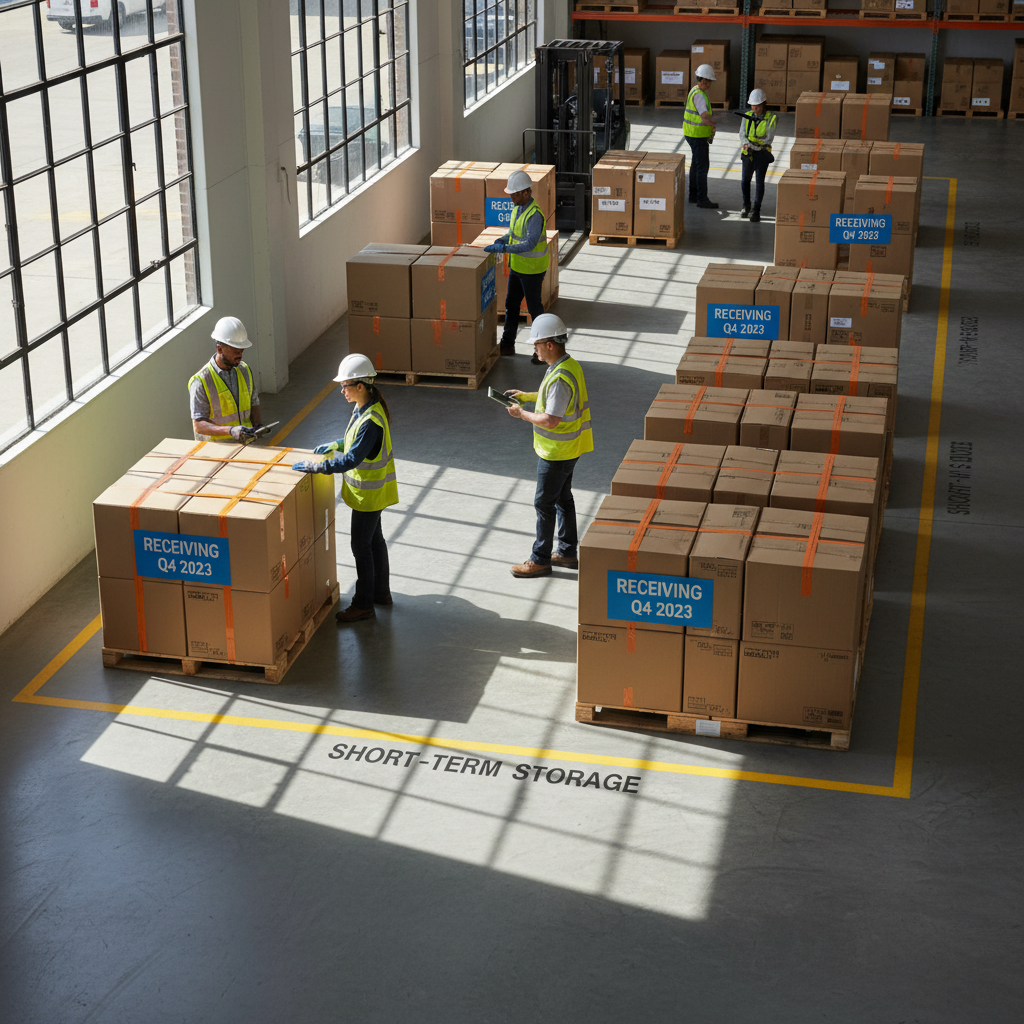
Running a growing operation in Sanpete County often means balancing lean operations with the sudden spikes of a Utah business cycle. Many local retailers and manufacturers hit a wall when seasonal demand turns from an opportunity into a bottleneck. In Utah, this typically occurs during the intense Q4 holiday retail rush or the early spring transition into the outdoor recreation season. When inventory levels double to meet these demands, the physical workspace often stays the same size.
This imbalance creates a seasonal inventory trap. When a workshop or store floor becomes overcrowded, efficiency plummets. Stacks of product block access to fast-moving items, resulting in lost inventory that was actually just buried under newer shipments. Picking errors increase as staff struggle to navigate cramped aisles, leading directly to shipping delays and frustrated customers. Once operational paralysis sets in, the internal cost of managing the clutter often outweighs the profit from the extra sales.
Instead of struggling through the mess or signing a restrictive multi-year lease for a larger building, savvy owners utilize seasonal warehouse storage for small business. This approach serves as a strategic buffer, allowing you to move bulk stock into a secure, professional environment. By separating your backstock from your daily picking area, you maintain structured workflows and keep your local facility functional. It provides the necessary breathing room to scale during peak months without the financial burden of a permanent, underutilized facility during the quiet season. Understanding the storage unit vs warehouse storage distinction is the first step in avoiding this trap.
Why Long Term Warehouse Leases Stifle Small Business Growth
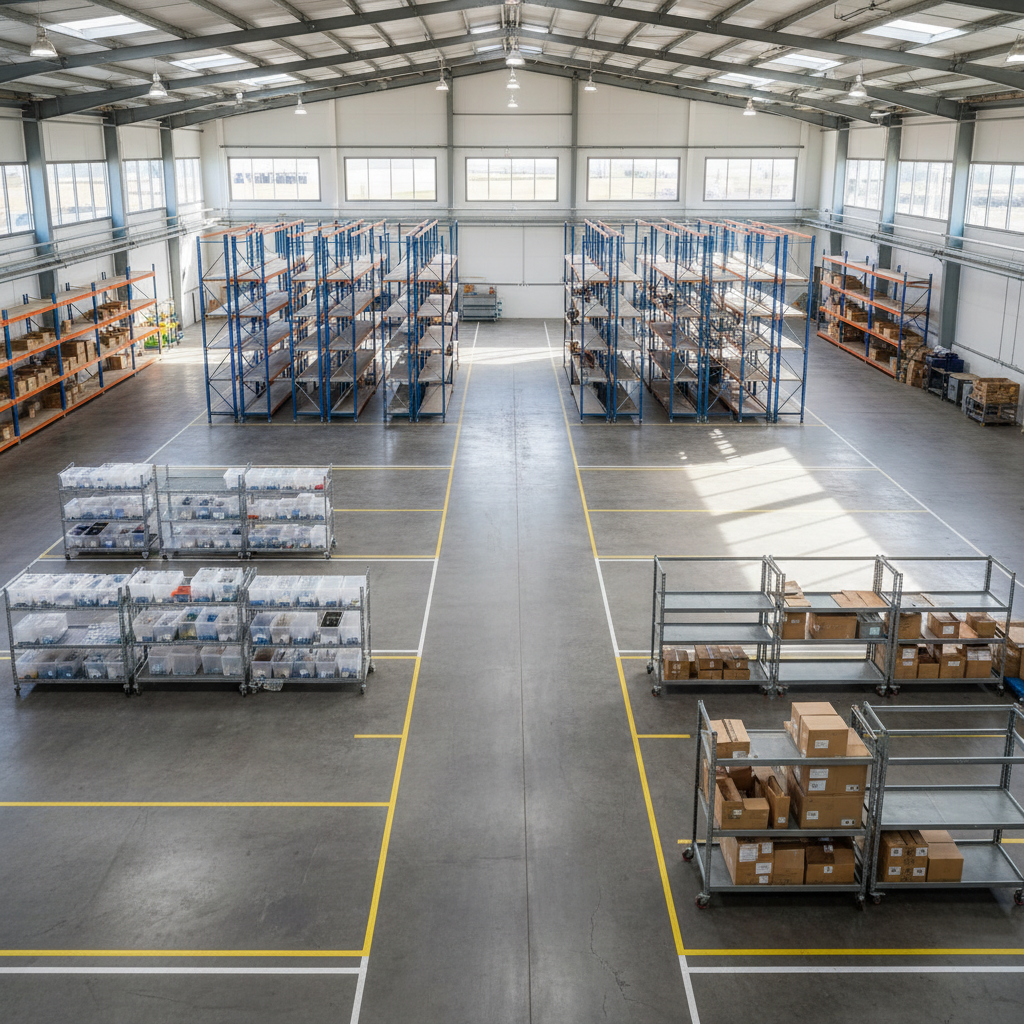
Traditional commercial real estate is increasingly geared toward national logistics firms rather than local operations. Small business owners frequently report that even for modest square footage, a five year lease has become the standard entry point. This reality creates a significant barrier for growing companies that cannot accurately forecast their space requirements half a decade into the future. For an Ephraim based manufacturer or a Sanpete County retailer, committing to a five year term means paying for a cavernous, half empty building during the off season just to ensure enough room for a three month peak. This inefficiency drains capital that could be better spent on inventory or staffing.
The alternative is a flexible, month to month model that treats space as a scalable resource rather than a fixed liability. Opting for seasonal warehouse storage for small business allows a company to align its overhead costs directly with its revenue cycles. Instead of locking up vital working capital in a long term lease, owners can redirect those funds into product development or marketing. This model provides the agility to expand the footprint when a large shipment arrives and retract it when inventory clears, ensuring you never pay for unutilized air.
Choosing dependable warehousing and storage solutions with shorter terms bridges the gap between a cramped home office and a risky industrial expansion. It allows a business to test new product lines or handle bulk raw materials without the looming threat of an inflexible contract. By focusing on month to month arrangements, businesses maintain the liquidity necessary to navigate economic shifts while still having access to professional grade facilities. This approach protects the bottom line by ensuring that storage expenses remain a variable cost that reflects actual usage rather than a static, draining monthly expense. Ultimately, flexibility prevents the lease trap where a business grows into a space only to find the terms no longer serve their operational reality.
5 Strategic Steps to Plan for Peak Season Inventory Overflow

Transitioning to a flexible model is only the first step; the second is executing a logistical plan that prevents extra inventory from becoming an unmanageable pile. To maintain a lean operation during the peak, follow these five steps for inventory overflow management.
Analyze historical sales data to predict SKU volume. Avoid relying on intuition. Review sales reports from the previous two years to identify which specific products drove your storage needs. Knowing exactly how many pallets or bins were required during last year's peak allows you to reserve the correct footprint for seasonal warehouse storage for small business without overestimating and overpaying.
Coordinate with suppliers to avoid early arrivals. A shipment arriving two weeks ahead of schedule can disrupt your entire floor plan. Provide suppliers with strict delivery windows that align with your warehouse move in date. This synchronization ensures that labor is available to receive the goods and that the space is clear and ready to accept the volume.
Calculate safety stock levels to prevent stockouts. While lean inventory is the goal, supply chain fluctuations or Utah winter weather can leave you empty handed. Use a standard formula; multiply your maximum daily usage by your maximum lead time, then subtract your average usage and lead time. This calculated buffer protects your reputation during high demand periods.
Map out a temporary warehouse layout. Efficiency depends on proximity. Utilize warehouse layout optimization to place high velocity SKUs near the loading dock or main aisle. Slower moving bulk items should be relegated to the back of the storage area, keeping the "hot zone" clear for the frequent picking and packing required for fast movers.
Establish a structured receiving process. Confusion at the loading dock leads to long term inventory errors. Develop a checklist for every incoming shipment that includes quantity verification, damage inspection, and immediate labeling. A structured intake ensures that every item is accounted for before it is placed on a rack.
Integrating these steps with a professional storage partner provides the industrial infrastructure needed to execute the plan effectively. When you move stock into a managed environment, these protocols ensure that your seasonal surge remains a source of profit rather than a source of operational chaos. Having dependable warehousing and storage solutions in place allows you to focus on sales while the physical handling remains disciplined and scalable.
Warehouse Storage vs. Self Storage: Which is Best for Inventory?
When executing a peak season plan, choosing the right physical environment is as important as the logistics strategy itself. Many owners initially lean toward traditional self-storage units due to perceived accessibility. However, there is a fundamental difference in storage unit vs warehouse storage that impacts long term product viability and operational speed.
Self-storage facilities are designed primarily for household goods. They often feature roll up doors that seal poorly against dust or pests, and they frequently lack the structural flooring required for heavy pallet loads. In contrast, seasonal warehouse storage for small business provides an industrial grade environment specifically engineered for inventory management. Professional warehouses maintain cleaner, more controlled spaces that protect fragile goods from the elements and environmental debris common in outdoor storage rows.
The most significant gap exists in receiving capabilities. At a self-storage unit, a business owner must be physically present to meet every delivery truck, sign for shipments, and manually move boxes from the curb into the unit. A warehouse facility like Sanpete Warehouse offers dependable warehousing and storage solutions that include professional receiving. This means freight can be offloaded via dock-high doors or forklifts, allowing the business owner to focus on sales rather than manual labor.
Feature | Self-Storage Unit | Dedicated Warehouse |
|---|---|---|
Infrastructure | Light-duty residential | Industrial-grade concrete |
Receiving | Owner must be present | Professional dock access |
Equipment | Manual carry or hand carts | Forklifts and pallet jacks |
Environment | Minimal dust and pest control | Structured, clean, and organized |
Space Usage | Limited by low ceilings | Optimized vertical stacking |
For businesses handling high volume goods or specialized equipment, the warehouse environment ensures that products remain in shelf-ready condition. Moving beyond the limitations of a simple locker allows for structured workflows that support rapid scaling without the risks of damaged stock or the logistical bottlenecks inherent in non-commercial spaces.
Optimizing Your Temporary Space for Speed and Accuracy
Transitioning to a professional environment solves the physical space problem, but internal organization dictates your operational speed. Many businesses experience a spike in shipping errors during the peak season simply because their workspace is too crowded to navigate. By utilizing seasonal warehouse storage for small business, you gain the footprint necessary to implement warehouse layout optimization techniques that are impossible in a cramped retail backroom or home office.
Maintaining wide access aisles is a critical component of this strategy. When aisles are narrow or obstructed, staff lose significant time maneuvering equipment or shifting boxes to reach the back of a stack. Sanpete Warehouse provides layouts that prioritize clear pathways for efficient inventory handling. This reduces search time, which is the hidden cost of a disorganized floor where employees hunt for specific SKUs instead of packing orders. Clear, standardized labeling on every pallet and shelf further ensures that the picking process is fast and accurate. These dependable warehousing and storage solutions help you maintain a structured workflow even when order volume triples. By separating bulk overflow from active picking zones, you prevent the clutter that leads to mis-shipped items and inventory discrepancies, keeping your fulfillment process reliable during your busiest months.
Local Advantage: Flexible Warehousing in Ephraim, Utah
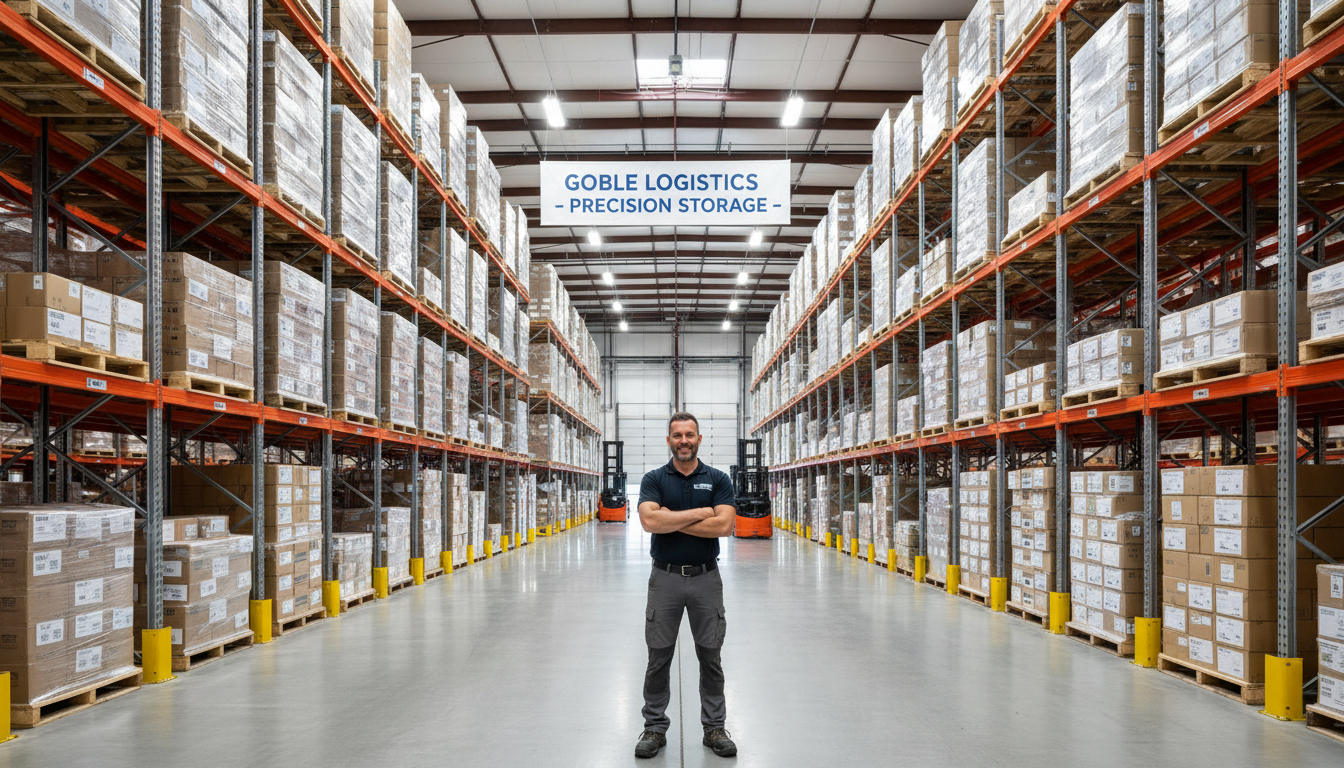
Central Utah businesses often look toward Salt Lake City for industrial scale logistics, assuming local options lack the necessary infrastructure. However, Sanpete Warehouse provides a professional alternative right in Ephraim. For manufacturers in Manti or retail service providers in Gunnison, proximity is an operational asset. Utilizing seasonal warehouse storage for small business locally reduces transit times and allows for immediate inventory access.
This facility offers the same high security and organized workflows found in larger metro areas. By choosing dependable warehousing and storage solutions within the county, you gain a personal level of service and the ability to scale your footprint without the impersonal nature of national firms. Local coordination ensures your inventory stays secure, clean, and accessible, precisely where your operations are based.
Managing seasonal demand does not have to mean committing to a long term lease that drains your budget during slower months. By utilizing flexible warehouse solutions, your small business can scale efficiently while staying agile. If you find that navigating these logistics is becoming a challenge, you might want to consider expert help. You can learn more about our approach to storage and logistics. We are here to help you find a tailored solution that fits your specific needs as you grow.