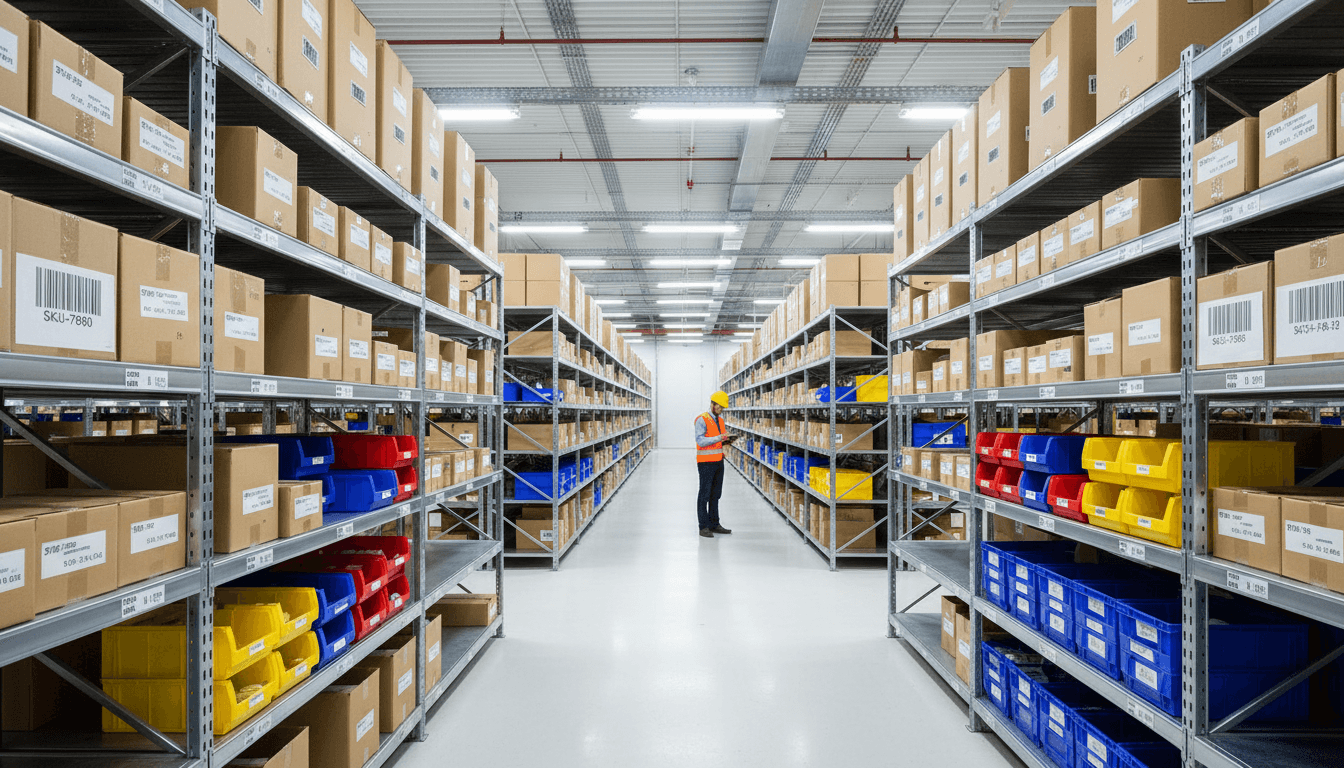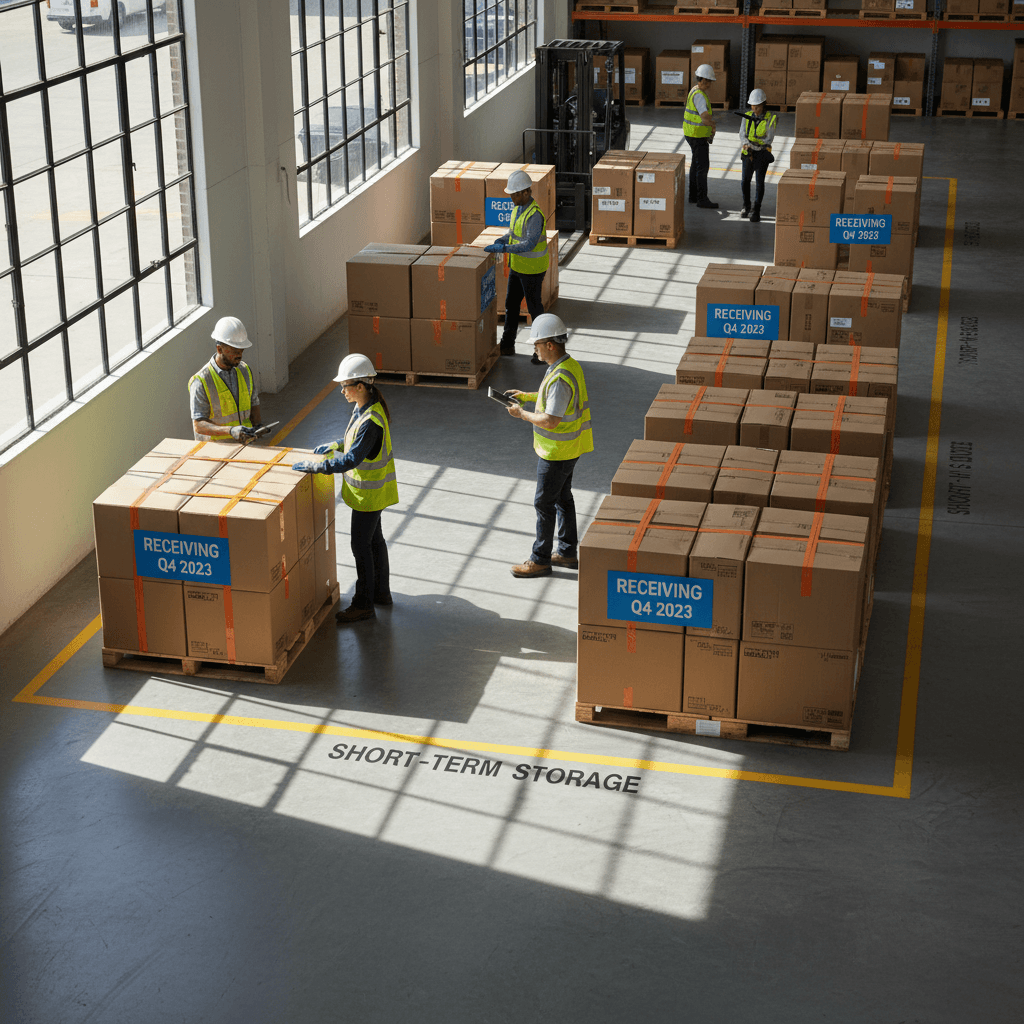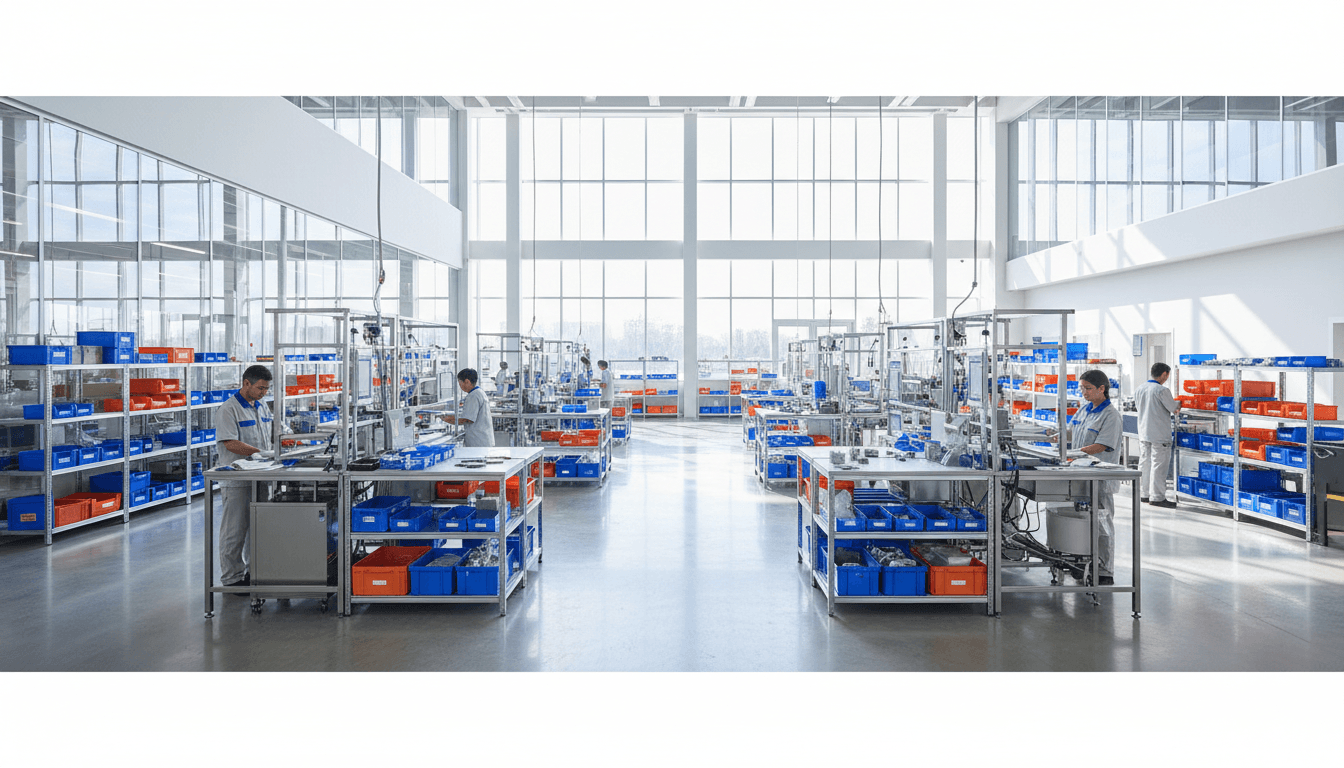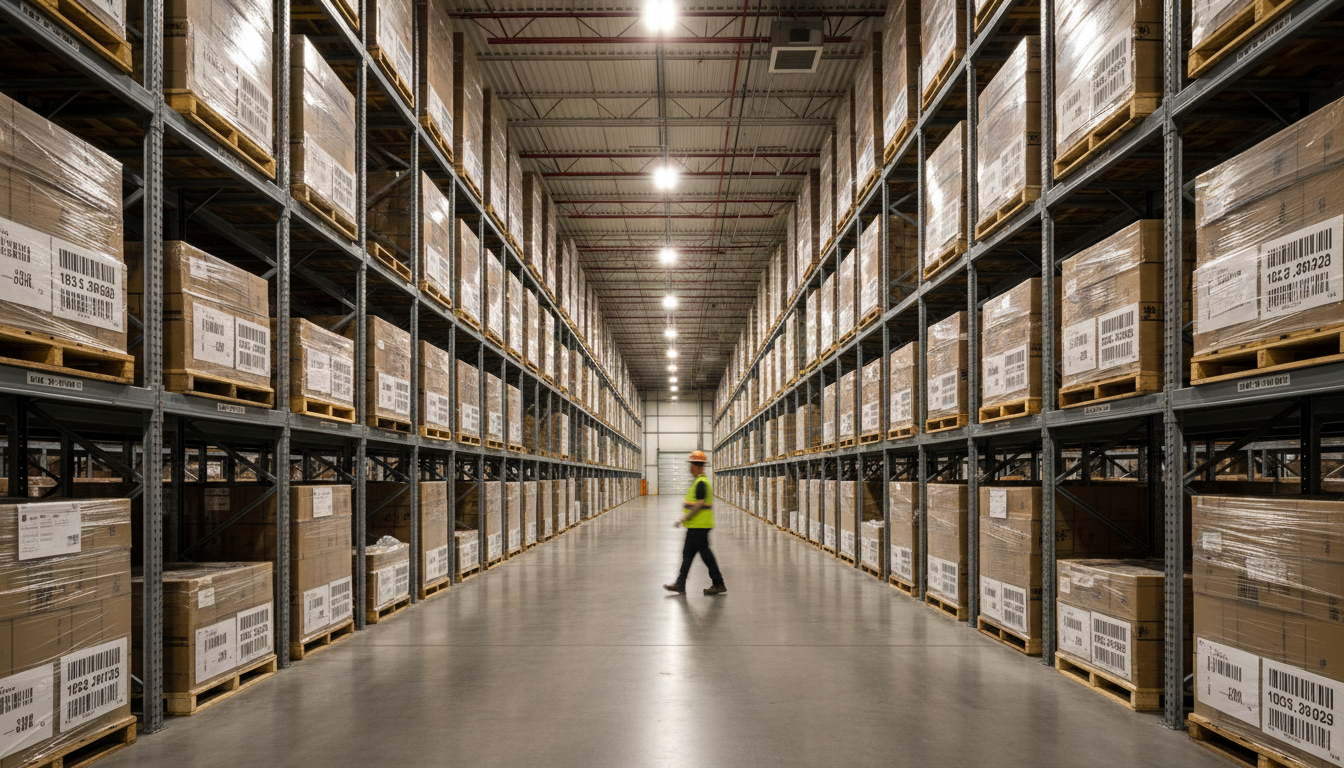
Strategic warehouse organization benefits manufacturers by minimizing operational delays through improved inventory accuracy and faster order fulfillment. This structured approach optimizes labor utilization and floor space; it also lowers overall costs by preventing inventory loss and enhancing workplace safety.
Every minute a production line sits idle represents lost revenue and missed deadlines. For many manufacturers, these delays often stem from a chaotic warehouse floor rather than an actual machine failure. When your team spends more time searching for raw materials than processing them, your bottom line suffers. Efficient storage is the backbone of any successful industrial operation; it ensures that every component is exactly where it needs to be the moment a project begins. In this guide, we explore how strategic warehouse organization eliminates production bottlenecks and reduces operational costs. You will learn about optimizing layouts for manufacturing flow, implementing the 5S methodology, and utilizing real time inventory tracking to maintain continuity. By the end, you will understand how a dedicated storage partner in Sanpete County can transform your logistical challenges into a competitive advantage.
The Direct Link Between Inventory Chaos and Production Bottlenecks

In the manufacturing sector, the true cost of storage is rarely reflected solely in the monthly lease. The hidden expenses of a disorganized facility often manifest as production bottlenecks that stifle growth. When a warehouse lacks a structured system, the search for a single missing component can halt an entire assembly line. This downtime ripples through the operation, resulting in idle machinery and laborers who are paid to wait rather than produce, driving up the cost per unit and eroding profit margins.
This reality is why warehouse organization benefits manufacturers beyond mere neatness. A reactive warehouse forces staff into a constant state of recovery, where they are perpetually searching for mislabeled crates or buried pallets. In contrast, a proactive warehouse utilizes organized inventory handling to ensure that every raw material is staged and ready for the next phase of production. When parts are indexed correctly, the transition from storage to the shop floor is seamless, allowing for predictable lead times.
For manufacturers in the Ephraim area, maintaining this structured flow between raw materials and finished goods is a financial necessity. A delay of just a few hours in locating a specific fastener, specialized tool, or raw substrate can be the difference between meeting a critical shipping deadline and being forced to pay expensive overtime to catch up. By leveraging dependable warehousing and storage solutions, businesses eliminate the waste pile-up and congested zones that research identifies as primary causes of operational delays. This level of oversight transforms the warehouse from a simple storage space into a strategic asset that actively supports the manufacturing cycle.
Optimizing Warehouse Layout for Manufacturing Flow
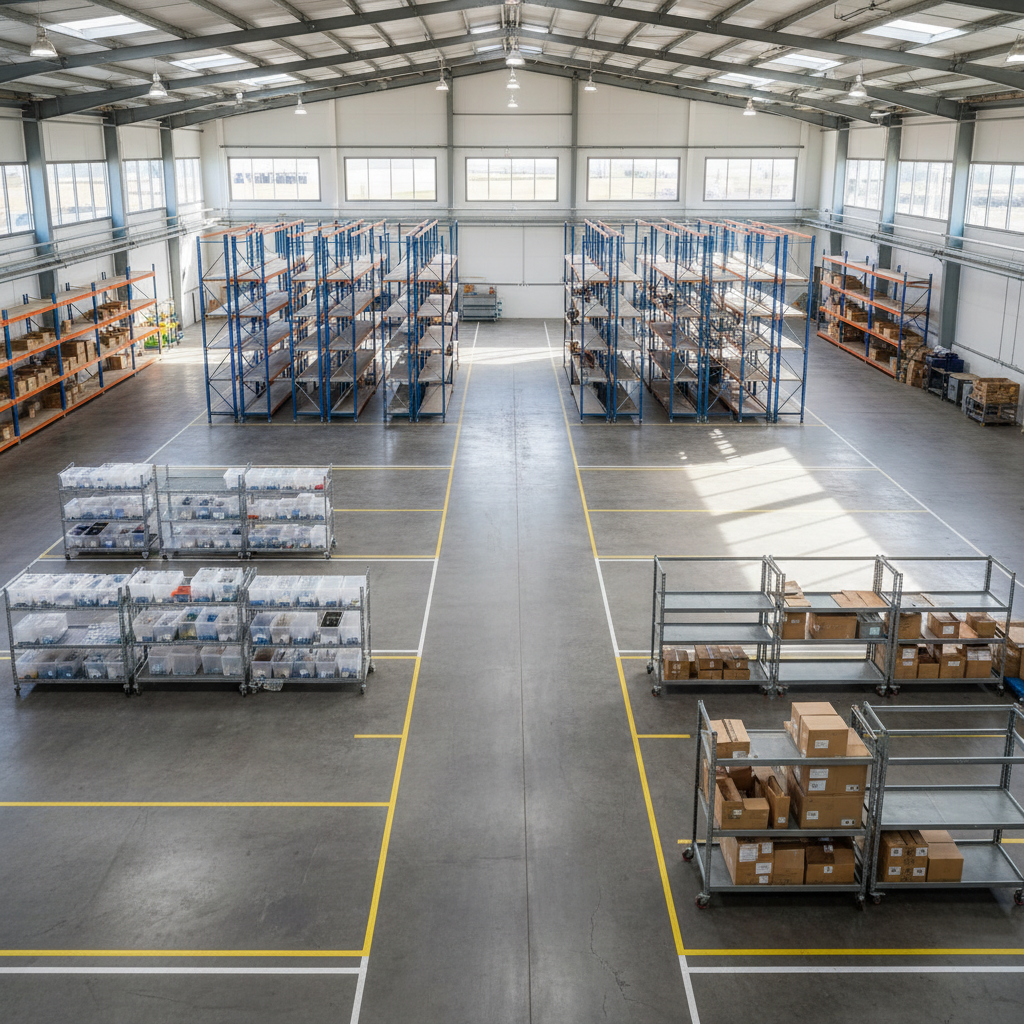
The physical configuration of a storage space determines the travel time of every fork truck and pallet jack. To maximize speed, manufacturers should implement velocity-based storage. This strategy dictates that high-turnover raw materials, those required daily on the production line, are situated closest to the loading docks. Reducing the distance traveled for high-velocity items minimizes the cumulative minutes lost during every shift. When organized inventory handling is integrated into the floor plan, it eliminates the inefficient, zig-zagging patterns that often plague poorly designed facilities.
Unlike static storage facilities, a professional warehouse partner provides the modularity needed to handle shifting production cycles. One of the primary warehouse organization benefits manufacturers is the ability to reconfigure space as seasons change. For instance, a Central Utah manufacturer might prioritize bulk raw substrates in the spring but require more room for finished product staging in the autumn. At Sanpete Warehouse, we offer flexible layouts that scale alongside these operational pivots, ensuring that the floor plan remains an asset rather than a constraint as inventory levels fluctuate. You can learn more about our Ephraim facility and how we adapt to these specific manufacturer requirements.
Research indicates that narrow or congested areas are among the top five causes of operational delays. When aisles are cluttered with overflow or poorly placed pallets, the risk of equipment bottlenecks increases exponentially. Maintaining clear, wide aisles is a non-negotiable standard for dependable warehousing and storage solutions. By enforcing strict boundaries for pallet placement and ensuring that staging areas are distinct from traffic lanes, a facility prevents the waste pile-up that slows down material retrieval. This structural discipline ensures that when a manufacturer calls for a delivery, the outbound process is unobstructed and immediate, protecting the production timeline from avoidable friction.
Applying the 5S Rule to Industrial Storage
Efficiency on the production floor often mirrors the discipline within the storage facility. One of the most effective frameworks for maintaining this discipline is the 5S methodology: Sort, Set in order, Shine, Standardize, and Sustain. When applied to industrial storage, these principles ensure that warehouse organization benefits manufacturers by creating a predictable environment where errors are minimized.
Local partners should apply these steps with a manufacturer's specific needs in mind: - Sort: This involves identifying and removing obsolete raw materials or scrap that takes up valuable floor space, ensuring only active inventory remains. - Set in Order: Every pallet and crate has a designated, labeled home. This reduces retrieval time and ensures that staff do not waste minutes searching for specific components. - Shine: In a manufacturing context, cleaning is a form of maintenance. A clean environment prevents dust and debris from damaging sensitive electronic components or contaminating raw substrates. - Standardize: This step creates uniform procedures for organized inventory handling, ensuring that every shipment is processed using the same rigorous criteria. - Sustain: Long term success requires the discipline to perform regular audits, keeping the facility in peak operational condition.
When evaluating dependable warehousing and storage solutions, manufacturers can use the following checklist to determine if a facility meets industrial standards:
Evaluation Metric | What to Look For |
|---|---|
Inventory Sorting | Is there a clear process for identifying and segregating damaged goods? |
Labeling Integrity | Are all storage zones and aisles clearly labeled with high visibility signage? |
Environmental Health | Are the floors free of debris, dust, and spills that could impact product quality? |
Traffic Management | Are forklift lanes and pedestrian walkways clearly marked and unobstructed? |
Adhering to these standards at about our Ephraim facility allows us to support the high precision requirements of our local manufacturing partners. By maintaining a 5S environment, the warehouse becomes a seamless extension of the production line.
Real Time Inventory Access: Preventing the 'Where is it' Delay
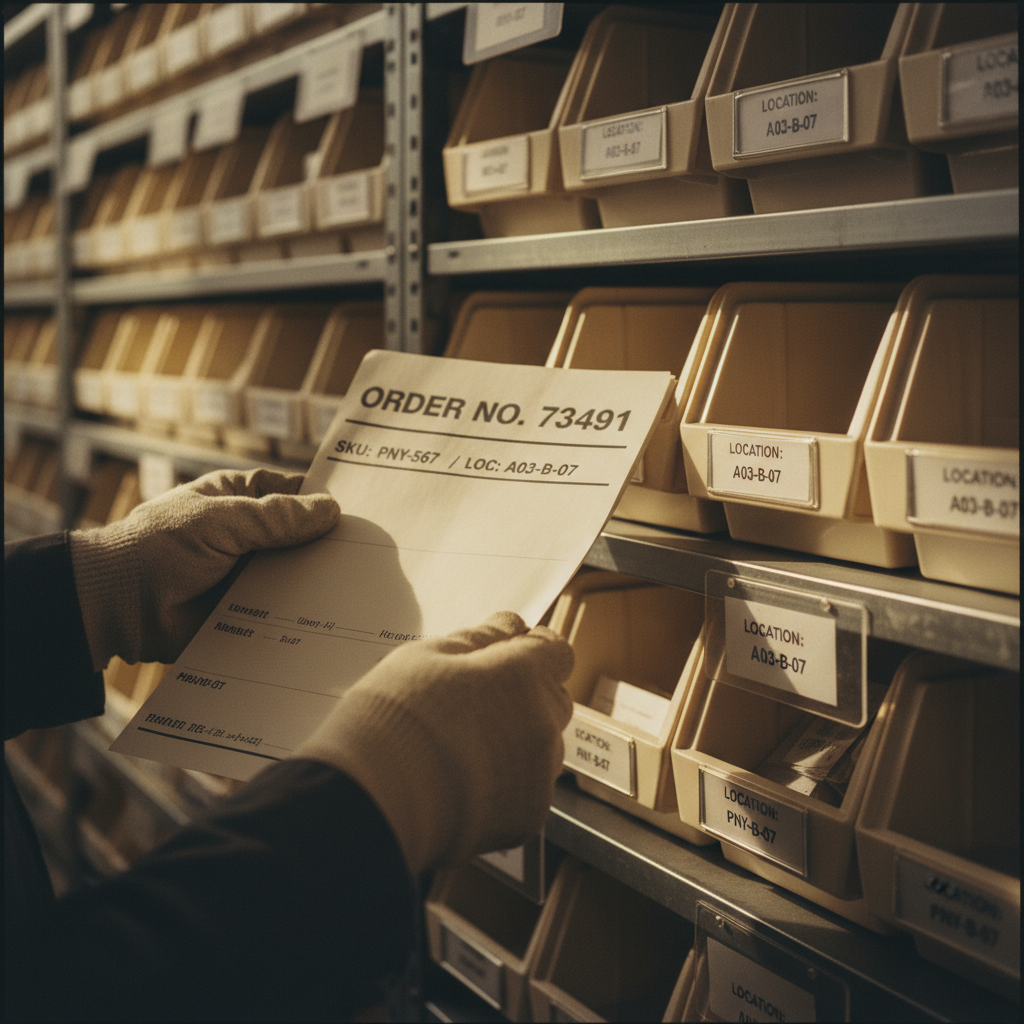
Research consistently identifies improper inventory tracking as one of the top five causes of warehouse operational delays. For a manufacturer, this failure manifests as a frantic search for a specific SKU while an assembly line sits idle. High level visibility is achieved through organized inventory handling where every pallet is assigned a specific coordinate before it even touches the floor. By maintaining structured documentation, including precise manifests and picking lists, a warehouse ensures that product retrieval is a matter of seconds rather than hours.
A key component of this efficiency is the role of a logistics coordinator. This specialist manages the flow of information, ensuring that the physical location of goods matches the records perfectly. This oversight prevents the waste pile up and lost time that often occurs when stock is moved without being properly logged. One of the primary warehouse organization benefits manufacturers receive is this transition from guesswork to data driven certainty. At Sanpete Warehouse, this level of detail is standard for our dependable warehousing and storage solutions.
Documentation Tool | Operational Benefit |
|---|---|
Standardized Labeling | Eliminates guesswork for forklift operators. |
Detailed Manifests | Provides an immediate audit trail of all incoming materials. |
Optimized Picking Lists | Sequences retrieval to minimize travel time within the facility. |
When these tools are managed by a dedicated team at about our Ephraim facility, the inventory system becomes a reliable source of truth. Manufacturers can then schedule their production runs with the confidence that their materials are exactly where they are supposed to be, allowing them to focus on production rather than logistics recovery.
Safety Practices as a Tool for Operational Continuity
Safety is often viewed as a compliance necessity; however, in a high-volume storage environment, it is a critical tool for operational continuity. Research shows that congested areas and waste pile-up are among the top five causes of warehouse delays. By maintaining a facility where aisles are clear and pallets are correctly slotted, the risk of accidents is significantly reduced. An organized warehouse is a safe warehouse, and safety is the foundation of a reliable supply chain.
When an accident occurs, the primary warehouse organization benefits manufacturers lose are speed and predictability. Beyond the immediate human cost, a workplace incident triggers formal inspections and potential facility shutdowns. For a manufacturer waiting on a specific batch of raw materials, these administrative delays can be more damaging than the initial accident, as they lock down inventory for days or weeks while investigations proceed. Maintaining a high standard of organized inventory handling ensures that materials move through the facility without the friction that leads to these hazards.
To prevent these disruptions, about our Ephraim facility prioritizes high-visibility safety standards:
Safety Standard | Operational Impact |
|---|---|
Clearly Marked Zones | Segregates pedestrian and forklift traffic to prevent collisions. |
Clean Floor Policy | Removes debris and dust that can damage machinery or cause slips. |
Obstruction Monitoring | Ensures emergency exits and fire equipment remain accessible. |
By enforcing dependable warehousing and storage solutions that emphasize floor cleanliness and strict zone marking, manufacturers gain a partner that protects their production timeline from the catastrophic delays associated with safety incidents. A controlled environment prevents the chaos that usually precedes an operational shutdown.
Choosing a Warehouse Partner in Sanpete County
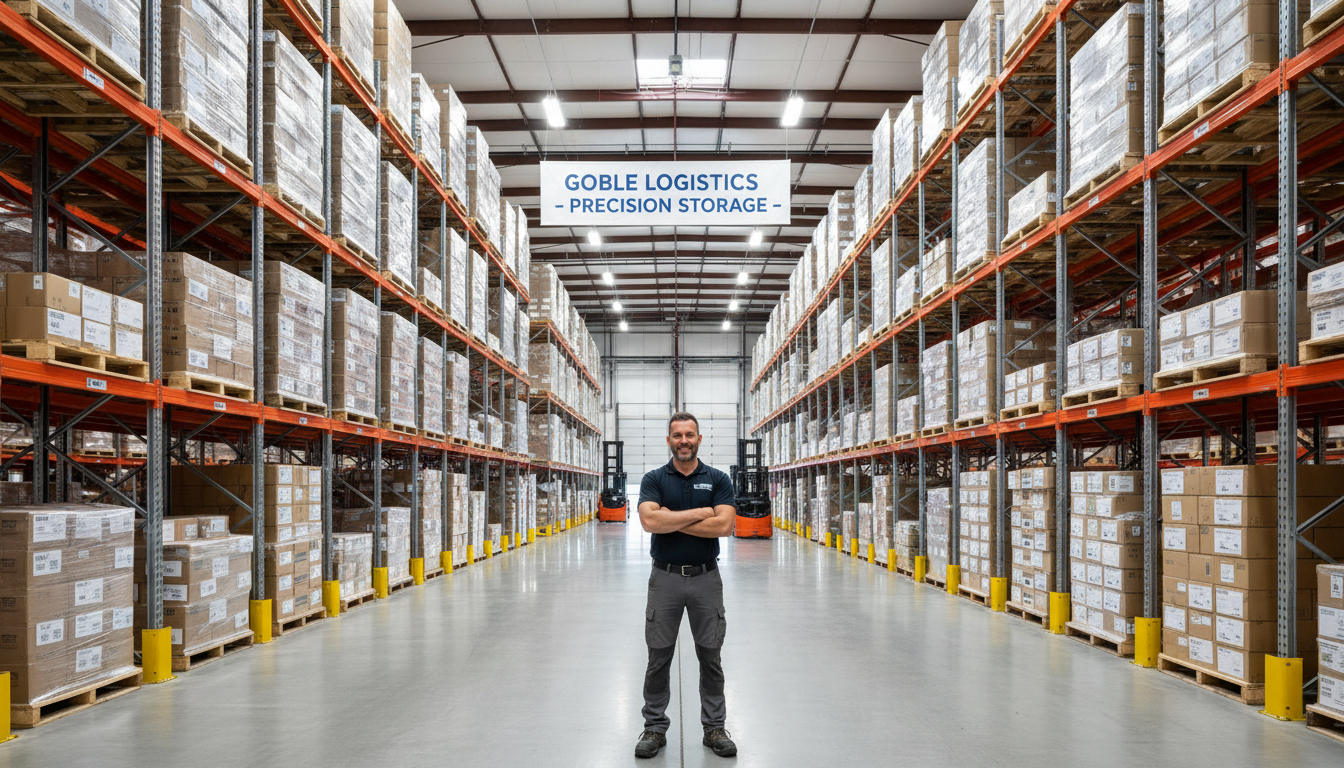
For manufacturers operating in Central Utah, the geographical location of a storage partner is a strategic variable that directly impacts the bottom line. While facilities in Salt Lake City or Provo may offer high square footage, the logistical friction of the I-15 corridor often introduces the very delays manufacturers seek to avoid. A local partner in Ephraim eliminates the two to four hour round-trip transport times, ensuring that organized inventory handling remains a responsive part of the daily workflow rather than a distant administrative hurdle.
Choosing a local facility allows for a bifurcated approach to storage that balances immediate needs with long-term financial health:
Storage Strategy | Manufacturing Application | Operational Benefit |
|---|---|---|
Short-Term Staging | Just-in-time raw material buffers for active production. | Minimizes floor clutter and prevents production stops. |
Long-Term Management | Bulk material purchasing and finished goods overflow. | Secures volume discounts and stabilizes supply chain costs. |
Seasonal Flexibility | Rapid reconfiguration of floor space for peak cycles. | Scales overhead costs to match actual inventory volume. |
One of the primary warehouse organization benefits manufacturers realize at Sanpete Warehouse is the ability to maintain lean operations on their own shop floors. By utilizing our facility for short-term staging, companies can keep their high-traffic assembly areas free from the waste pile-up and congested zones that research identifies as top causes of operational delays. Furthermore, about our Ephraim facility provides a clean, secure environment that is specifically designed for the high-turnover needs of industrial clients. These dependable warehousing and storage solutions ensure that whether a business is managing specialized components or heavy raw substrates, the inventory remains organized, accessible, and ready for immediate deployment to the production line.
Effective warehouse organization is more than just a tidy space; it is a vital component in reducing operational delays and protecting your bottom line. By prioritizing inventory flow and accessibility, manufacturers can avoid the hidden costs of inefficiency. If you want expert help streamlining these complex processes, you can learn more about our dedicated team and our commitment to your success. Partnering with professionals ensures your facility remains a high performing asset, allowing you to focus entirely on the production side of your business.